One more night in Salento
Book at least 60 days in advance for a stay of 6 nights and the seventh is on us.
Salento is known for what can be seen on the surface: the sea, the stone, the trulli. But beneath, in the karst belly of this land, there is another world. A world of stalactites and stalagmites, of underground lakes, of filtered light that transforms the rocks into something that has no name. The caves of Salento are among the most extraordinary in Italy, and some among the most important in Europe.
the most beautiful one to visit
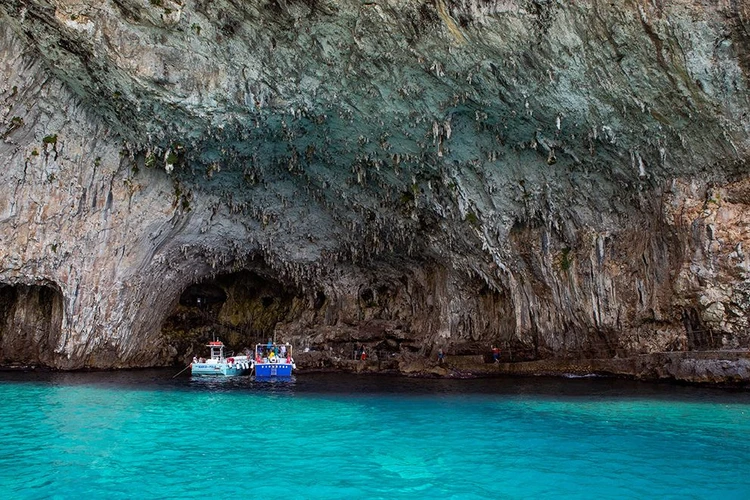
At the heart of the Otranto–Santa Maria di Leuca Natural Park, at Castro Marina in Puglia, the fascinating Grotta della Zinzulusa opens to visitors, recognised as one of the ten most important caves in the world. The Zinzulusa is a natural cave characterised by many stalactites, called in local dialect "zinzuli" (rags) because they resemble rags hung out to dry. Having moved in amazement through the Corridor of Wonders, also encountering an underground lake called the Trabocchetto, it is time to admire the Crypt, a cavern 25 metres high and rich in limestone columns. From here there is yet another reason for wonder: the small underground lake called Cocito, characterised by stratified crystal-clear waters – fresh water on top and brackish at the bottom — and by the presence of rare organisms. The visit takes about 30 minutes and can be accessed by sea or on foot from the small harbour at Castro Marina.
When the water is fresh
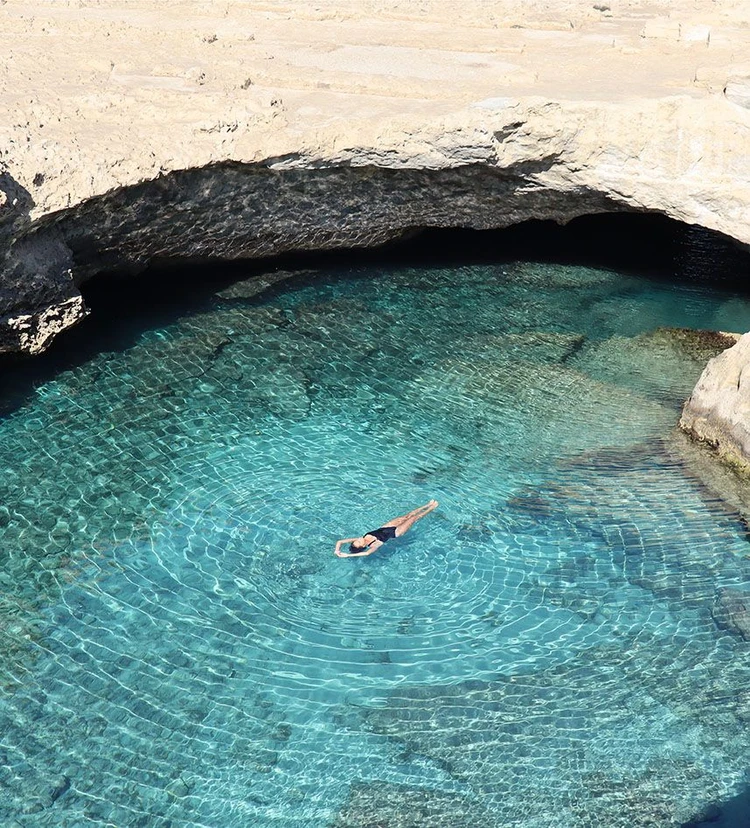
In Roca Vecchia, in the municipality of Melendugno, along the Adriatic coast of Salento, two karst caves can be found, carved into the limestone rock by the sea over time. The larger one is a natural pool open to the sky, where visitors dive and swim while the limestone walls filter the light in ways that are difficult to put into words. Its name does not come from poetry or verses: it derives from the ancient Greek word posìa, meaning “drink”, referring to a freshwater spring that once flowed inside the cave. The smaller cave, on the other hand, is not suitable for swimming and is not open to the public, but it holds something extraordinary: 600 square metres of engravings on its walls, one of the most important epigraphic monuments of the ancient Mediterranean, featuring prehistoric figures, Messapian inscriptions dating from the 6th to the 4th century BC, and a Greek-type alphabet that we still cannot fully decipher. Swimming in the Grotta Grande and knowing that, just a few metres away beyond a narrow passage, all of this lies hidden: this is Salento, a land that never ceases to amaze.
the Palaeolithic at the surface of the rock
The Grotta Romanelli consists of a single wide space open and visible from the outside. Its fascination also derives from being a treasure chest of history: stone tools dating back to the Palaeolithic and fossils of extinct animals were found here. It is not accessible from inside, but its position on the Adriatic cliffside is already a spectacle in itself.
Il nome dice tutto
The Blue Cave is another pearl of the Adriatic, reachable only by sea. It is located at Castro, just metres from the Grotta della Zinzulusa. Its name refers to the colour that the water takes on due to the refraction of light on the rock wall.
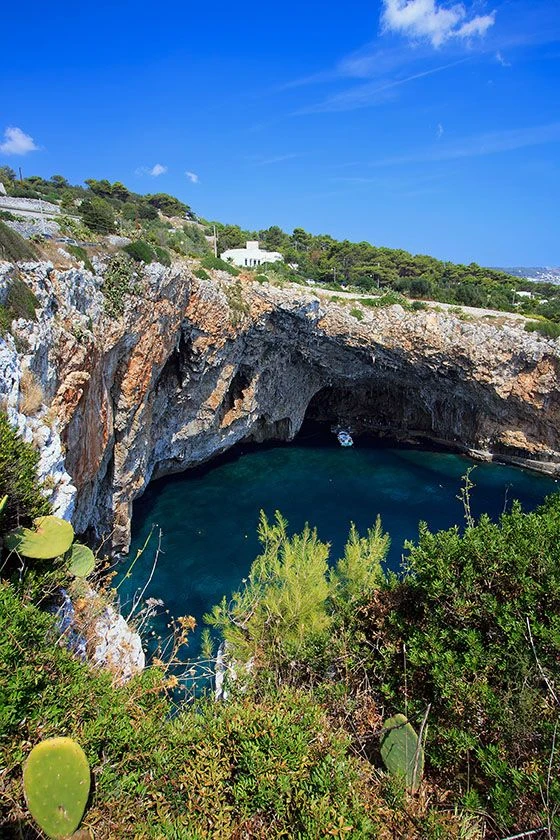
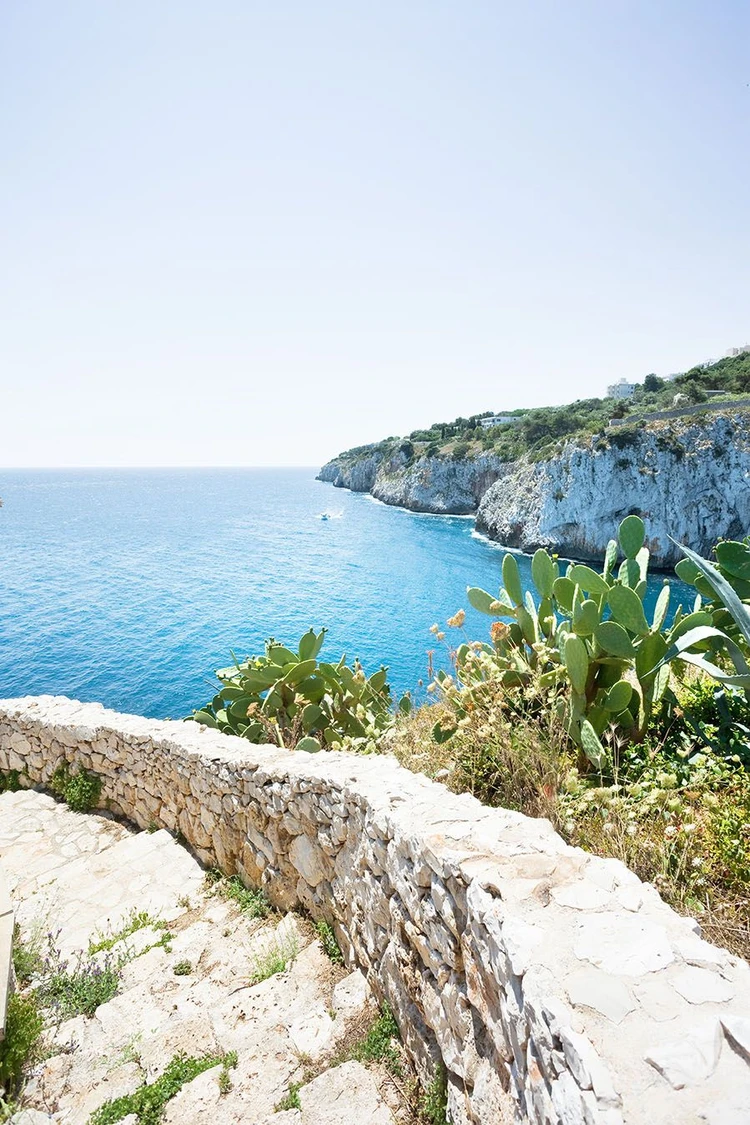
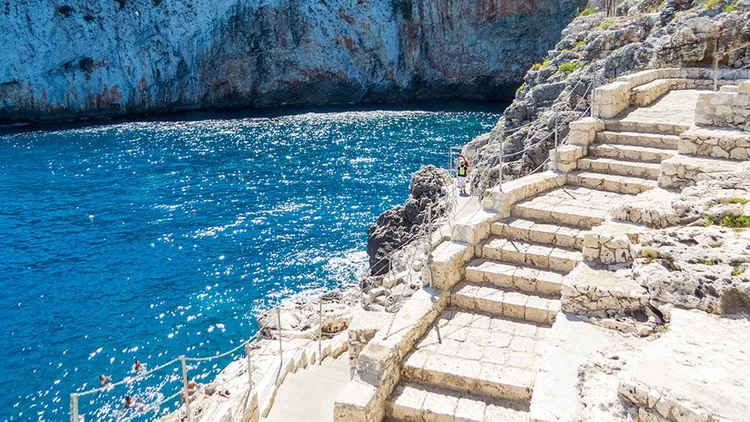
One of the best options is the boat trip that departs from the small harbour at Castro Marina, touching the Zinzulusa, the Romanelli, and then continuing toward Porto Miggiano, one of the most beautiful inlets in all of Salento for the shades of its sea. A way to see everything in one day, with the sea as your guide.
Book at least 60 days in advance for a stay of 6 nights and the seventh is on us.
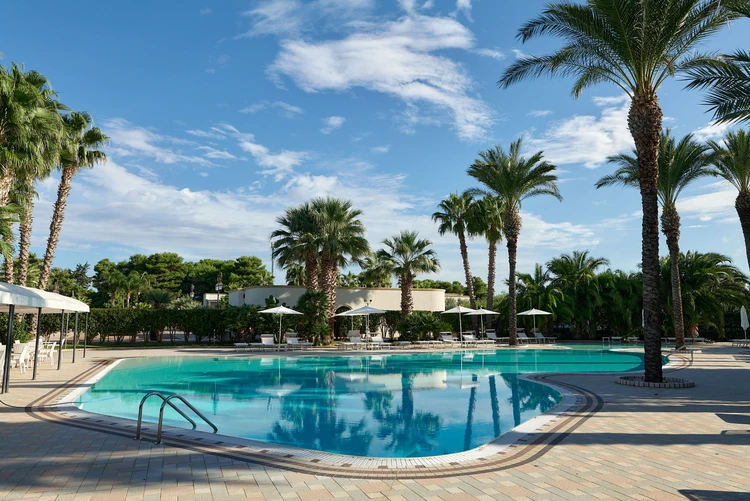
Book at least 20 days in advance for a minimum stay of 3 nights and receive a 15% discount
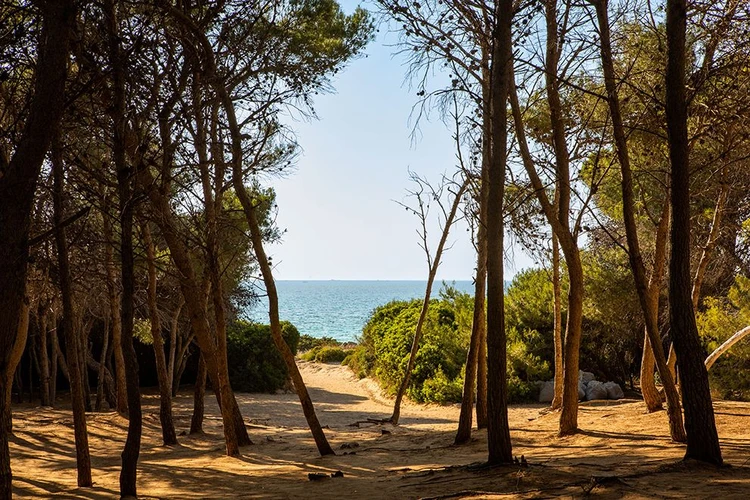
7 discounted nights to experience a summer among the nature and crystal-clear waters of Salento
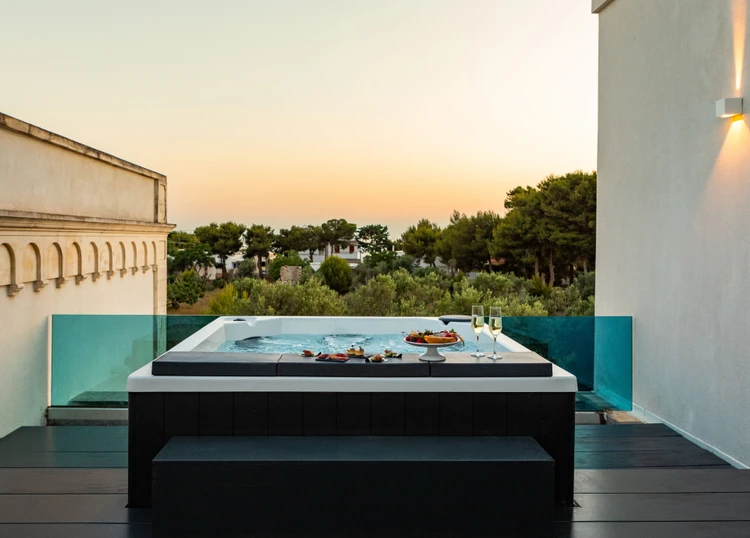
Two nights of relaxation and pleasure, with aperitivo, tasting dinner and a wellness circuit at the Spa
%20(1).jpg?origin=https%3A%2F%2Fwww.thebeginhotels.com&search=&t=L0oSAklCWxBfRwVRGlZGSVBTBgtHGkEJGBlQHFlKThkjH0tUGxAMRRQMGhtPGxMJAQ4XBwgPDBcJAw8CBgEID3tfUBQyQV8XQkBGQwheX0BAEFxZTA4JEQtPXQ%3D%3D)
We are always here for you, for any information you need and to design your travel experience together.