Its name carries a distinct Baroque charm, with soft, flowing syllables that unfold like a flower languidly drifting through the warm summer afternoons.
Just like the amaranth, the emblem of the garden that surrounds us, with its unhurried grace. It grows slowly, climbs wherever it finds space, and endures the heat long after everything else has surrendered. Its name originally meant exactly that: the one that never withers. The one that endures.
It is the very same promise we hope to bring to your table: a flavour that does not fade with time, but lingers gently—on the palate as in memory.

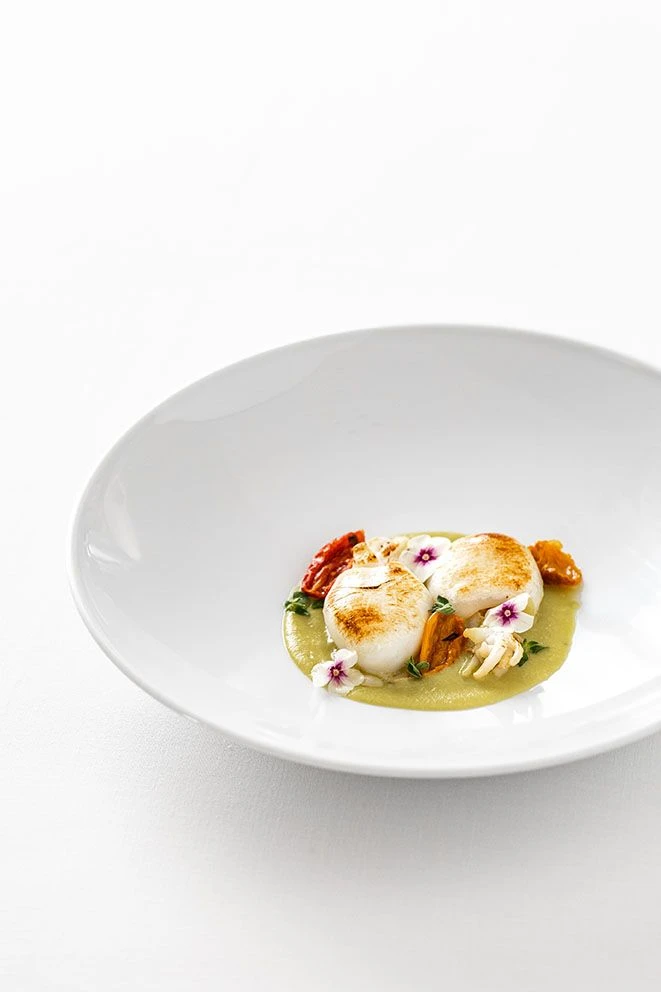

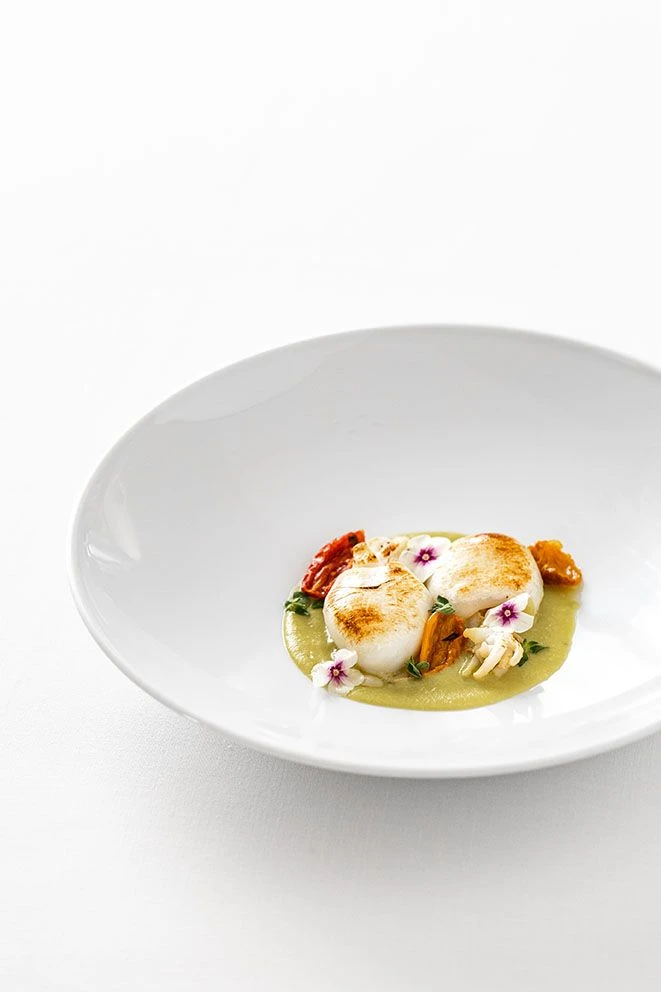
From her, the cuisine inherits its character: never loud, never seeking the spotlight. The dishes unfold in layers, like the petals of the same flower, and each ingredient is treated with a care that feels almost like a gentle caress. The flavour does not reveal itself in the very first bite: it lingers, returns, and gradually makes itself known, one step at a time.
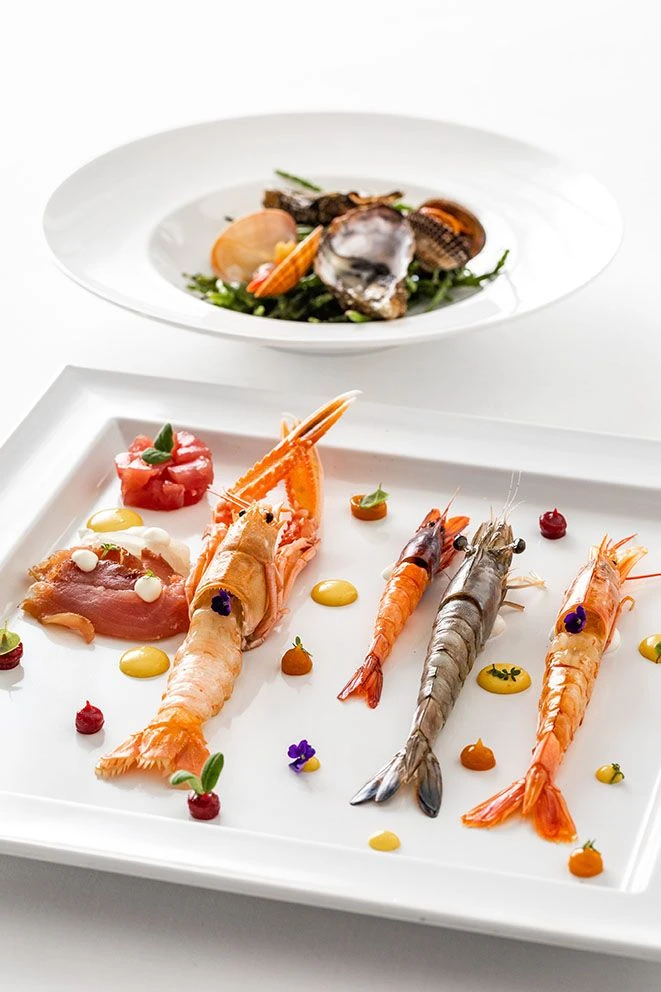
Guiding it is a hand that knows the Mediterranean as a mother tongue and has no need to raise its voice to be heard. Chef Pierpaolo Musto, born in 1987, is from Campania, with the sea running through his veins. After attending the Gambero Rosso Culinary Academy and spending years between Italy and France, he always returns to the same place: the scents of home, the memory of sharing, and a sense of balance rather than a pursuit of mere virtuosity.
In his dishes, Salento’s tradition engages in a dialogue with his own roots, but above all it bows to the identity of each individual ingredient. Flavours do not burst forth at the first taste: they grow, reveal themselves slowly, like the surprises discovered within a secret garden.
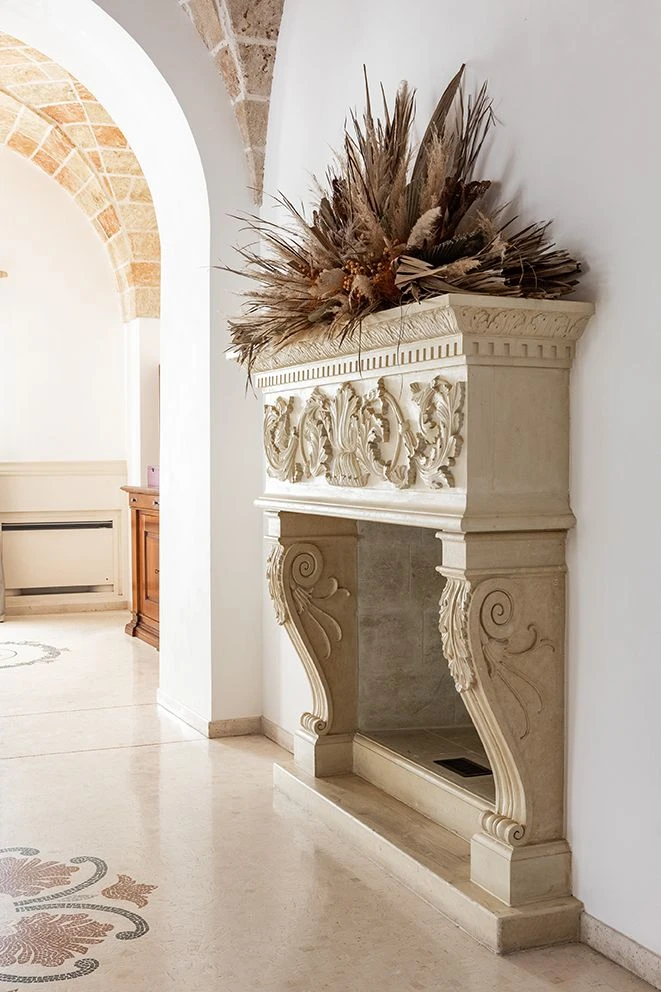
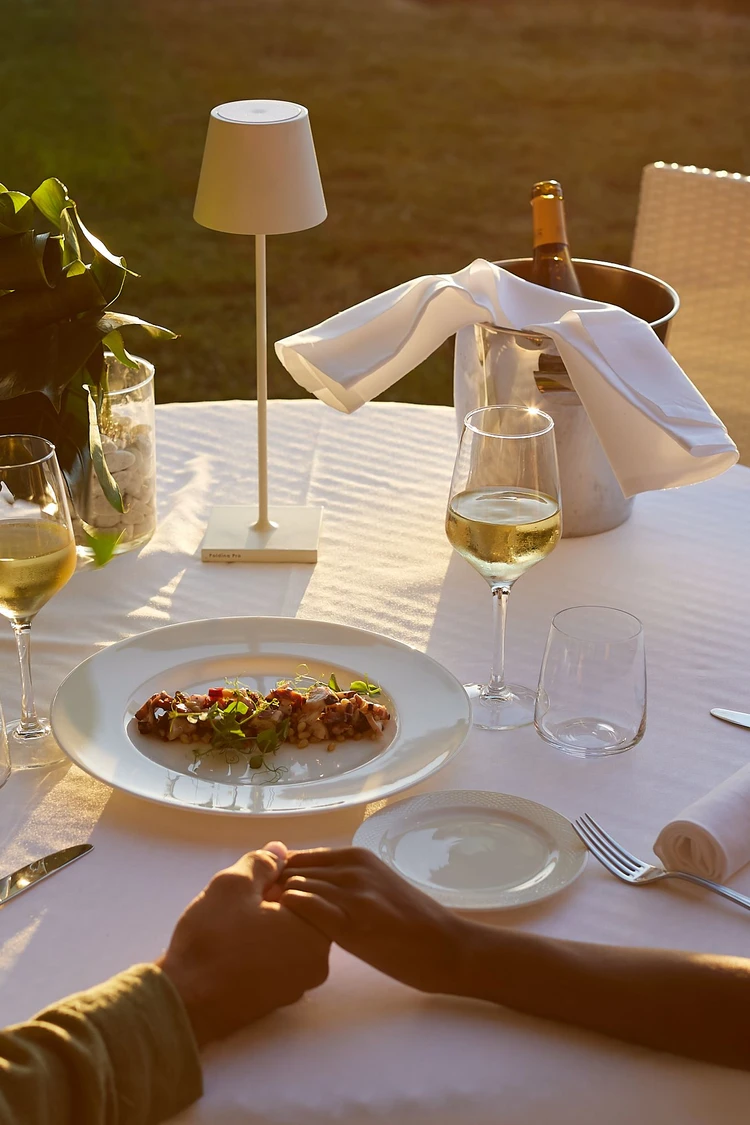
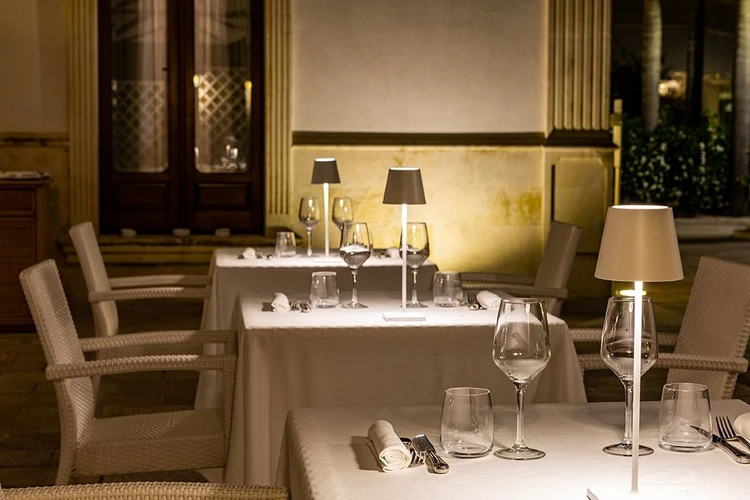
Amaranta welcomes guests within an early 20th-century masseria, where the weathered stone reveals the distinctive character of Salento. Outside, the garden opens its doors among centuries-old pine trees: guests can sit beneath the branches, with cicadas marking the rhythm of summer and the air scented with resin and the nearby sea.
Whether indoors or outdoors, the feeling remains the same: that of being a guest in a place that invites you to slow down.