


Book Early
Book at least 20 days in advance for a minimum stay of 3 nights and receive a 15% discount
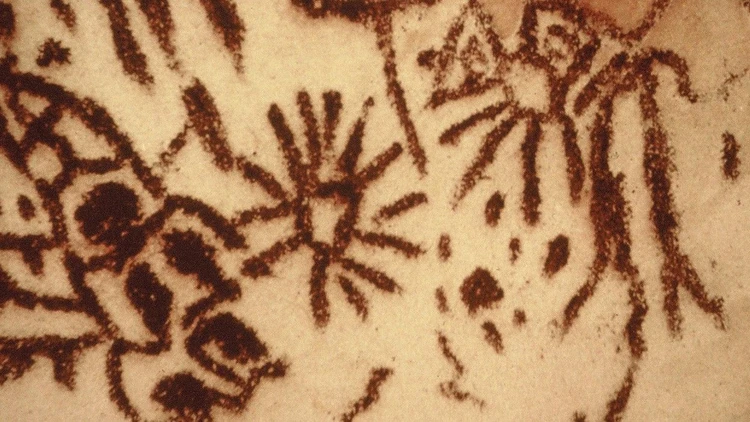
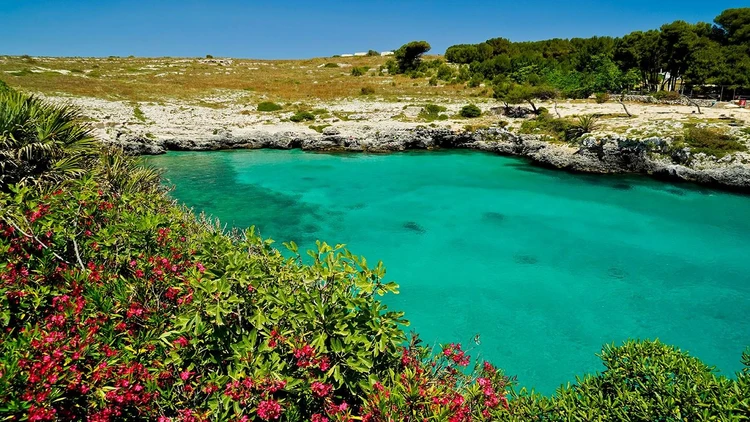
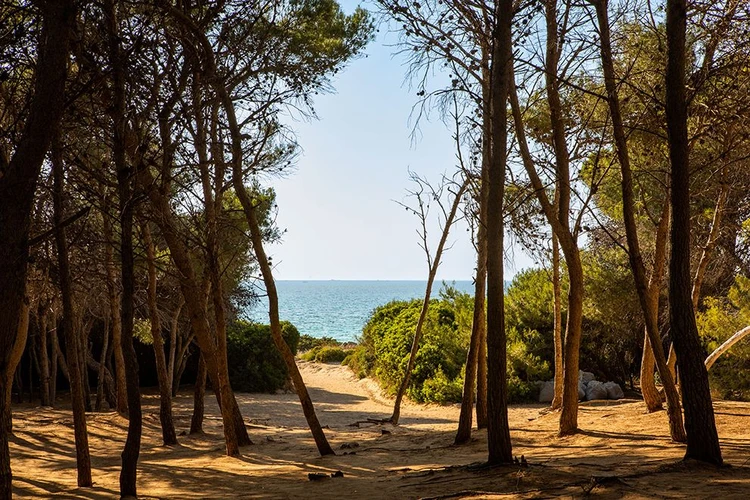
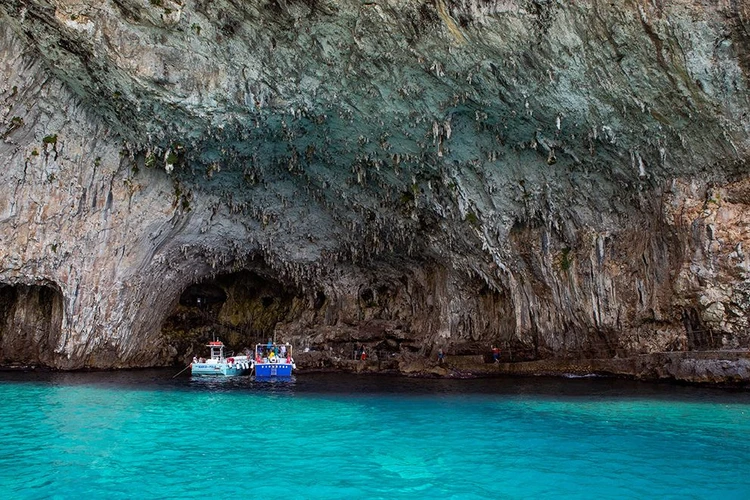
There is a place in Salento where history truly begins from the very beginning. Not from the Middle Ages, not from the Romans, not from the Greeks. From the Neolithic. From when people could not yet write but painted on cave walls with bat guano and red ochre, leaving traces that no one has ever erased. About 6 km from Otranto lies Porto Badisco, a picture-postcard place where the rocky, wild coastline is kissed by a turquoise sea, with the typical Mediterranean scrub in the background. Here, where it was thought Aeneas had once landed, stands the Grotta dei Cervi, a true temple of prehistory.
The Grotta dei Cervi was discovered on 1 February 1970 by five members of the Gruppo Speleologico Salentino di Maglie and is the most impressive Neolithic pictorial complex in Europe. Initially it was given the name "Antro di Enea", because of the legend according to which Aeneas landed in Italy at Porto Badisco. The current name derives from subsequent discoveries of the pictograms.
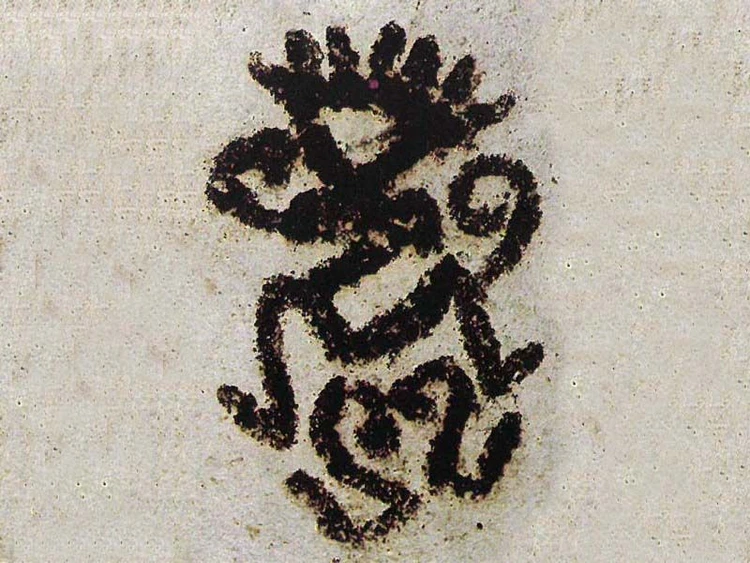
On the cave walls are depicted about 3,000 pictograms, from the smallest of about 2 cm to the largest of about 75 cm, concentrated in groups in around 60 panels on both walls of three galleries, for a total of 600 metres of passage. The pigments used are organic and mineral materials found on site: for the most part painted in black using subfossil bat guano, and in smaller numbers in red using ferruginous red ochre. The largest room shows black paintings depicting deer hunting, strange geometric figures and above all spirals, symbols of rebirth. The Grotta dei Cervi also has walls depicting what is called the Dancing Shaman, now a symbol of Salento also linked to the phenomenon of tarantism, and numerous handprints. They are rather small, left millennia ago almost certainly by children, and their meaning remains obscure to this day. National Geographic Italia described it as the "Sistine Chapel of the Neolithic", for the breadth and intensity of its pictorial cycle.
The cave with the rock paintings is protected and not accessible to the public. The best way to experience it is to combine a visit to the bay, a coastal walk and the 3D content available at the Aragonese Castle of Otranto. The exhibition is designed to compensate for the impossibility of the public accessing the Grotta dei Cervi: the representation of the paintings and the 3D virtual tour bring the public closer to an important archaeological reality of Puglia and of Italy as a whole.
The reason Porto Badisco is worth the trip is not only the cave. It is the bay itself: one of the attractions is the chance to eat fresh seafood, in particular sea urchins. Local restaurants offer seafood specialities made with fresh, local ingredients. A wild cove, clear water, and the air of the Adriatic Salento. And knowing that beneath your feet, just metres away, are drawings eight thousand years old.
Book at least 20 days in advance for a minimum stay of 3 nights and receive a 15% discount
7 discounted nights to experience a summer among the nature and crystal-clear waters of Salento

Two nights of relaxation and pleasure, with aperitivo, tasting dinner and a wellness circuit at the Spa
Book at least 60 days in advance for a stay of 6 nights and the seventh is on us.
%20(1).jpg?origin=https%3A%2F%2Fwww.thebeginhotels.com&search=&t=L0oSAklCWxBfRwVRGlZGSVBTBgtHGkEJGBlQHFlKThkjH0tUGxAMRRQMGhtPGxMJAQ4XBwgPDBcJAw8CBgEID3tfUBQyQV8XQkBGQwheX0BAEFxZTA4JEQtPXQ%3D%3D)
We are always here for you, for any information you need and to design your travel experience together.