Gallipoli

An island within the city

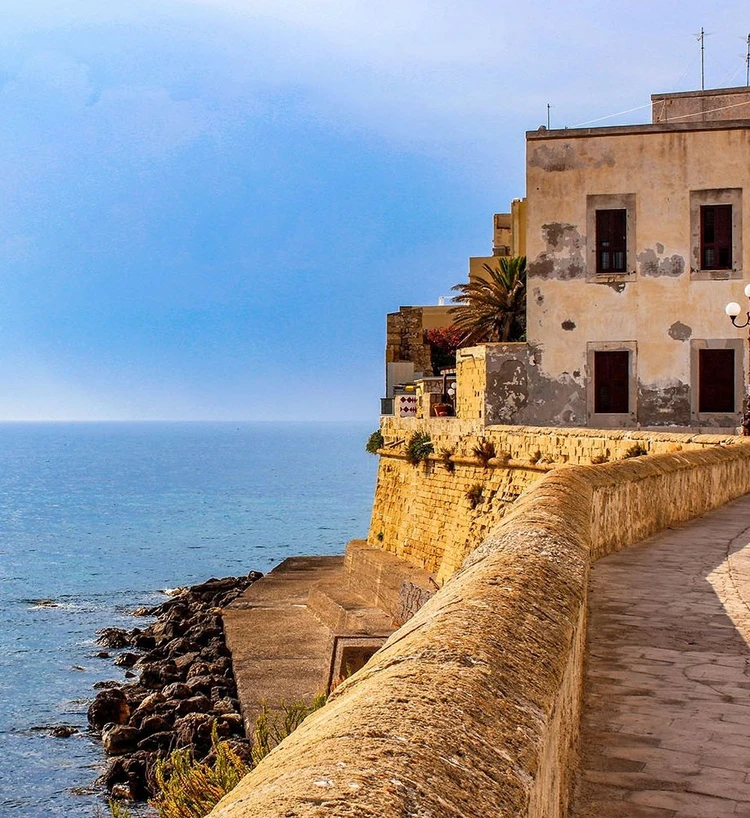
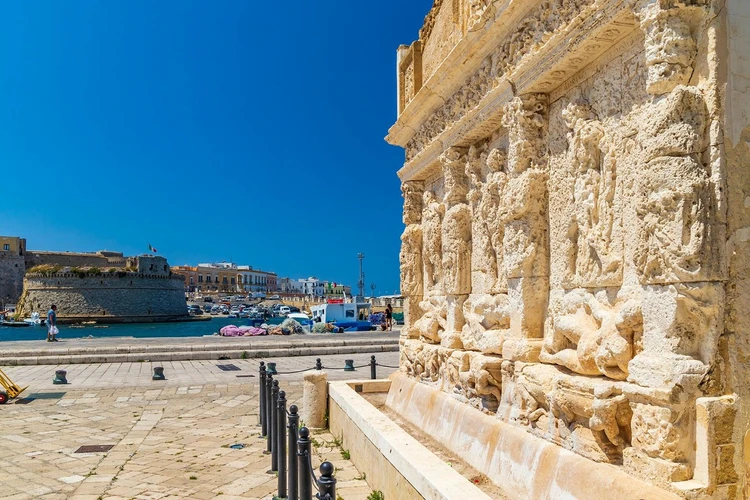
The old town is a labyrinth of golden tufa suspended over the blue, where the scent of fish broth mingles with the salt air, Baroque churches compete in beauty with the sky, and the light changes colour every hour of the day. This is not a metaphor: it really happens. Early in the morning, when tourists are still sleeping, the narrow streets belong to the fishermen and the cats. At noon, the carparo stone warms and turns gold. At sunset, everything shifts to burnt orange and the city becomes a feeling.

The castle that floats

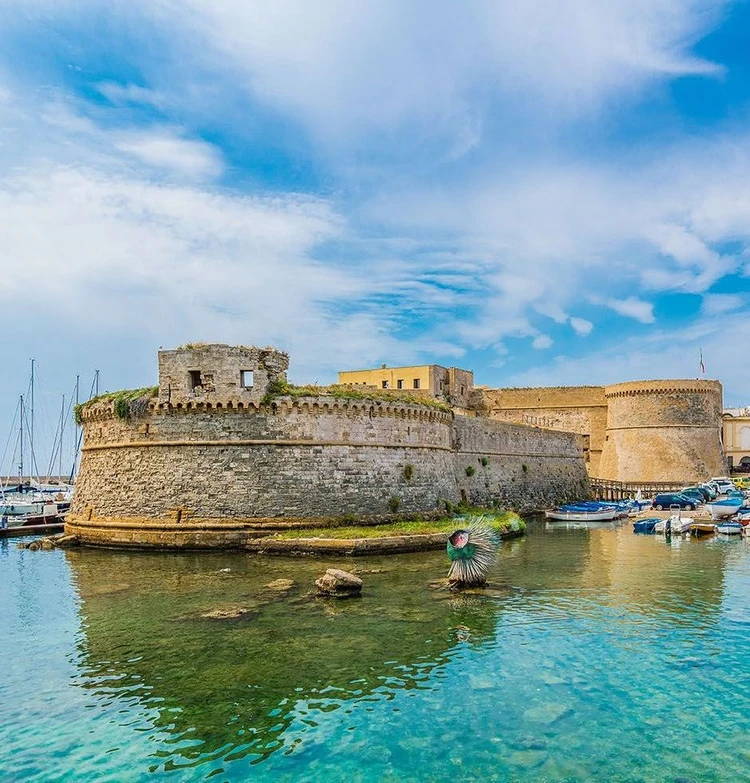
The majestic Castello Angioino is one of the city's symbols, almost entirely surrounded by sea. It was originally built after 265 BC, probably damaged in the fifth century and then rebuilt in the Byzantine era. Today it houses the civic museum, but the reason to get close is the view: the bastions reflected in the water, the port in the background, the sensation of being somewhere that has withstood everything.

Thebeautiful city

The Baroque and the stone

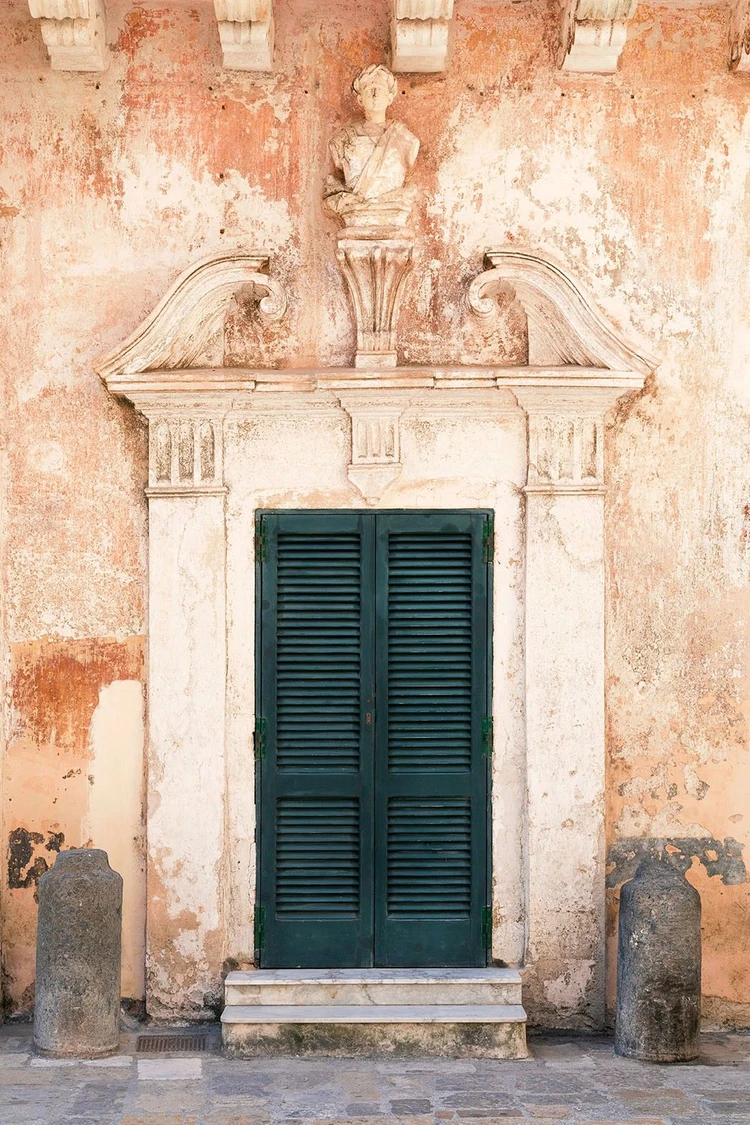
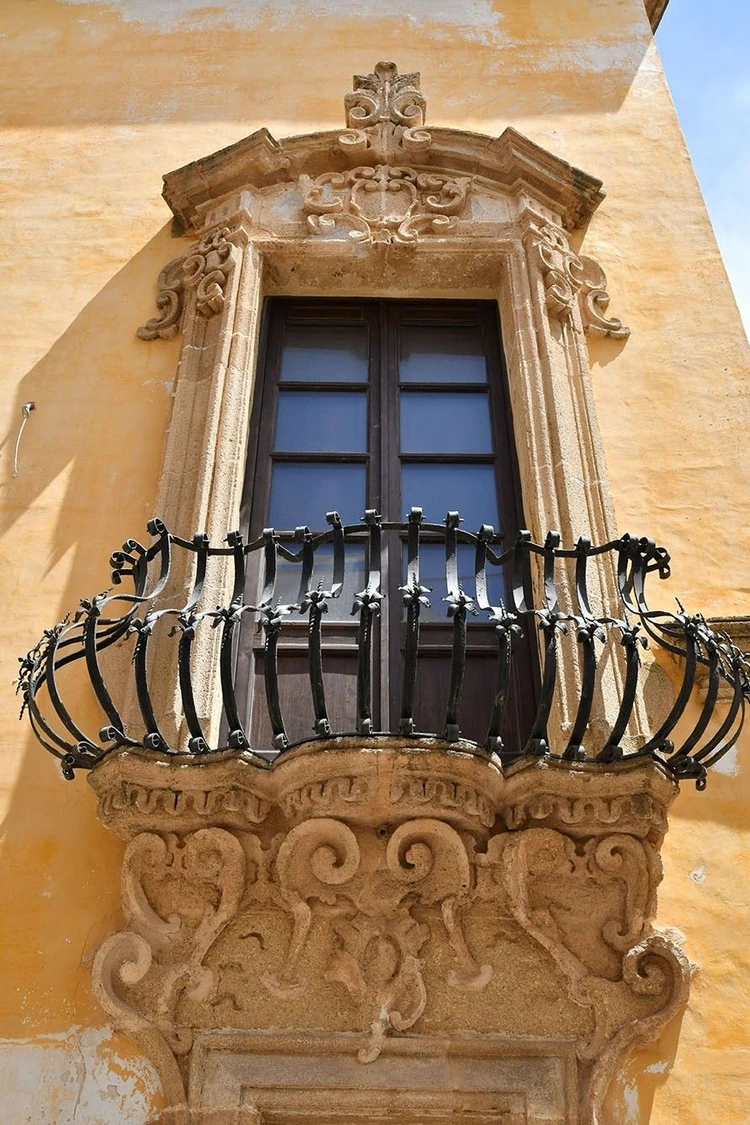
The Church of the Purità, built in 1664, is an excellent example of the Baroque style typical of Gallipoli. Since Lecce stone was not available for construction, the Baroque architects had to express their creativity using carparo, a material notoriously more difficult to work with. The result is a church that seems carved by hand, with a roughness that makes it more real than perfect things. The Cathedral of Sant'Agata, at the highest point of the island, is the standout: an elaborate façade, an interior worth the journey on its own, and the moment of recognition when you understand why some cities build their most beautiful churches in the hardest places to reach. Beauty needs time to be admired.
Underground, the oil

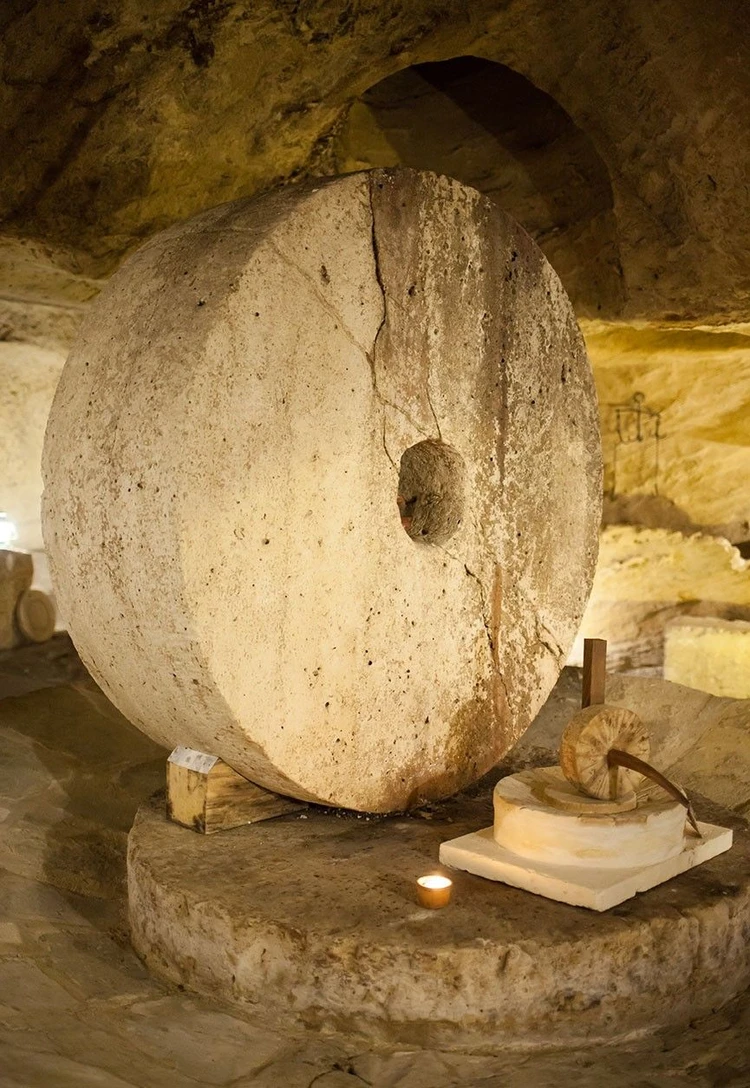
Even today in Gallipoli you can visit the hypogean oil mills, evocative underground structures now fallen out of use that were once used to store and press olives. Descending into the hypogean oil mill of Palazzo Granafei means understanding what Gallipoli was before tourism: a commercial, industrious city that exported lamp oil throughout Europe through that port which today you admire at sunset with an aperitivo in hand.

The fish market and the sunset

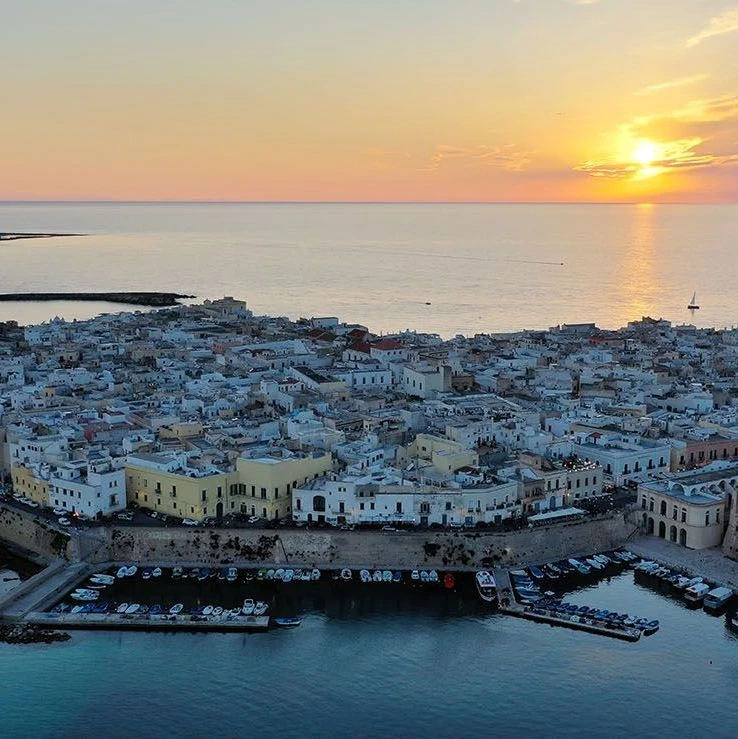
Every day fishermen dock in the harbours, tipping their precious catch onto the pier. Visiting the fish market in Gallipoli is one of the experiences to have during a holiday in Salento. At sunset the quays of the ancient harbour fill with tourists and locals waiting for the fishermen's colourful fishing boats to return: it is the hour of aperitivos with the freshest seafood.

From the sea, it is another city

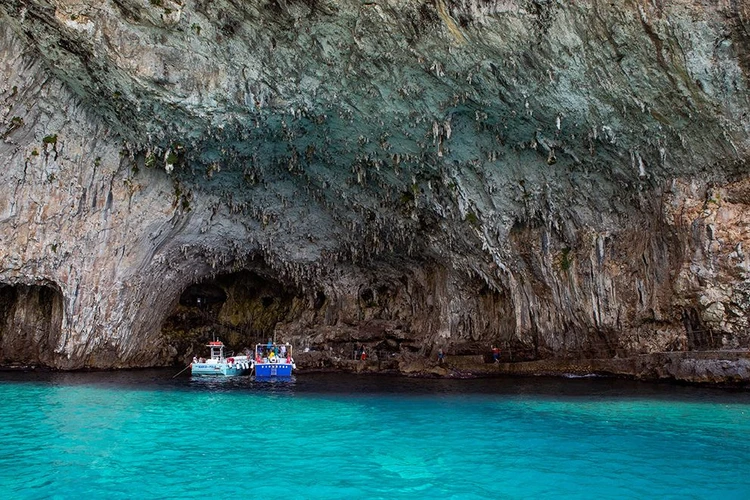
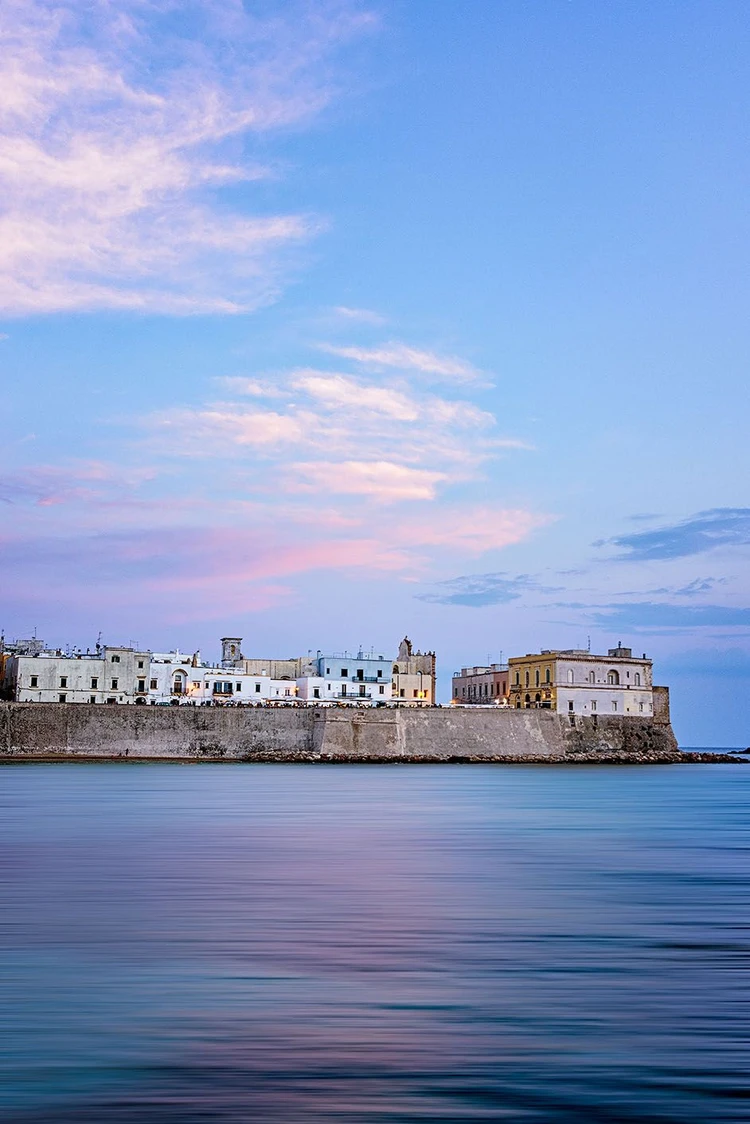
The golden bastions rising from the water, the majolica domes emerging between the rooftops, the city's silhouette against the sunset: everything takes on a different dimension. Gallipoli from a boat is another city. The excursion is worth it, the cost is worth it, getting up early is worth it.

The Baroque and the stone

The Church of the Purità, built in 1664, is an excellent example of the Baroque style typical of Gallipoli. Since Lecce stone was not available for construction, the Baroque architects had to express their creativity using carparo, a material notoriously more difficult to work with. The result is a church that seems carved by hand, with a roughness that makes it more real than perfect things. The Cathedral of Sant'Agata, at the highest point of the island, is the standout: an elaborate façade, an interior worth the journey on its own, and the moment of recognition when you understand why some cities build their most beautiful churches in the hardest places to reach. Beauty needs time to be admired.
From the sea, it is another city

The golden bastions rising from the water, the majolica domes emerging between the rooftops, the city's silhouette against the sunset: everything takes on a different dimension. Gallipoli from a boat is another city. The excursion is worth it, the cost is worth it, getting up early is worth it.

Underground, the oil

Even today in Gallipoli you can visit the hypogean oil mills, evocative underground structures now fallen out of use that were once used to store and press olives. Descending into the hypogean oil mill of Palazzo Granafei means understanding what Gallipoli was before tourism: a commercial, industrious city that exported lamp oil throughout Europe through that port which today you admire at sunset with an aperitivo in hand.

The fish market and the sunset

Every day fishermen dock in the harbours, tipping their precious catch onto the pier. Visiting the fish market in Gallipoli is one of the experiences to have during a holiday in Salento. At sunset the quays of the ancient harbour fill with tourists and locals waiting for the fishermen's colourful fishing boats to return: it is the hour of aperitivos with the freshest seafood.

Getting to Gallipoli from Giardino dei Pini

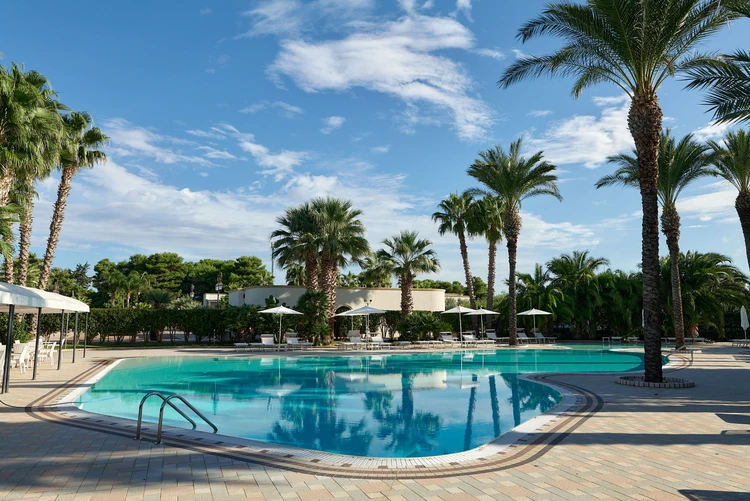
Giardino dei Pini is about 20 km from Gallipoli, around twenty minutes' drive through the most authentic Salento. Close enough to make it a day trip, busy enough to make you glad to return somewhere quiet.

ouroffers
Book Early

Book at least 20 days in advance for a minimum stay of 3 nights and receive a 15% discount

Book your stay
Tailored for you

We are always here for you, for any information you need and to design your travel experience together.