

Romantic Salento
Two nights of relaxation and pleasure, with aperitivo, tasting dinner and a wellness circuit at the Spa
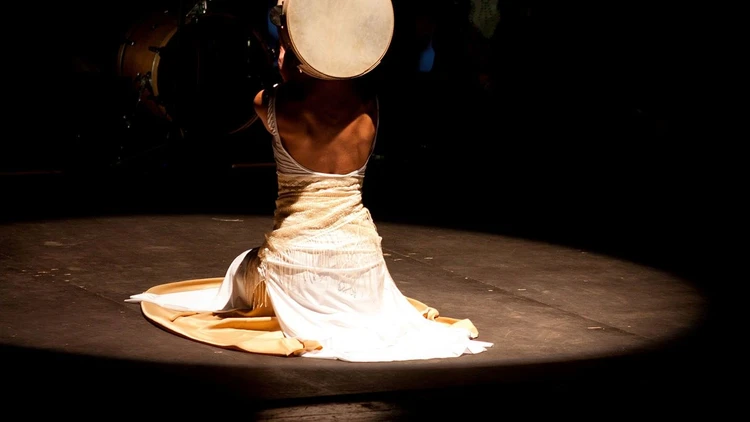
There is a dance in Salento that you cannot watch with detachment. It gets inside you before you notice, through the tambourine, through the feet beating on the floor, through that look between the two dancers who draw close and pull away in a courtship that never ends. The Salentine pizzica is a joyful, overwhelming and involving dance, one that is hard to resist. On one side energetic, frenetic, fast and elusive, on the other slowed down, composed and imperceptible, before picking up again at an even more relentless pace.
between Dionysus and the tarantula
The pizzica has very ancient origins dating back to Dionysian cults common in the Salento area, arriving from Greece and adopted by local populations. The word "Pizzica" appeared for the first time in a document from 1797, during the Bourbon era, in reference to a nocturnal dance organised by the nobility of the city of Taranto in honour of King Ferdinand IV. But its roots are far deeper than that court document. The pizzica was born as music to accompany the choreographic rites aimed at exorcising tarantism, a form of hysteria that struck women working in the fields and believed to have been bitten by tarantulas or scorpions. According to the popular beliefs of the time, when the unfortunate farm women were bitten by the "taranta", they became possessed by its powerful venom. To free themselves from the venom, the "pizzicated" could dance for days or even weeks at an ever-accelerating pace. It was therapy, it was theatre, it was the way a community processed collective pain through body and music. Born in Galatina, it spread throughout Salento as a common language of a people.
Tra tamburelli e fazzoletti
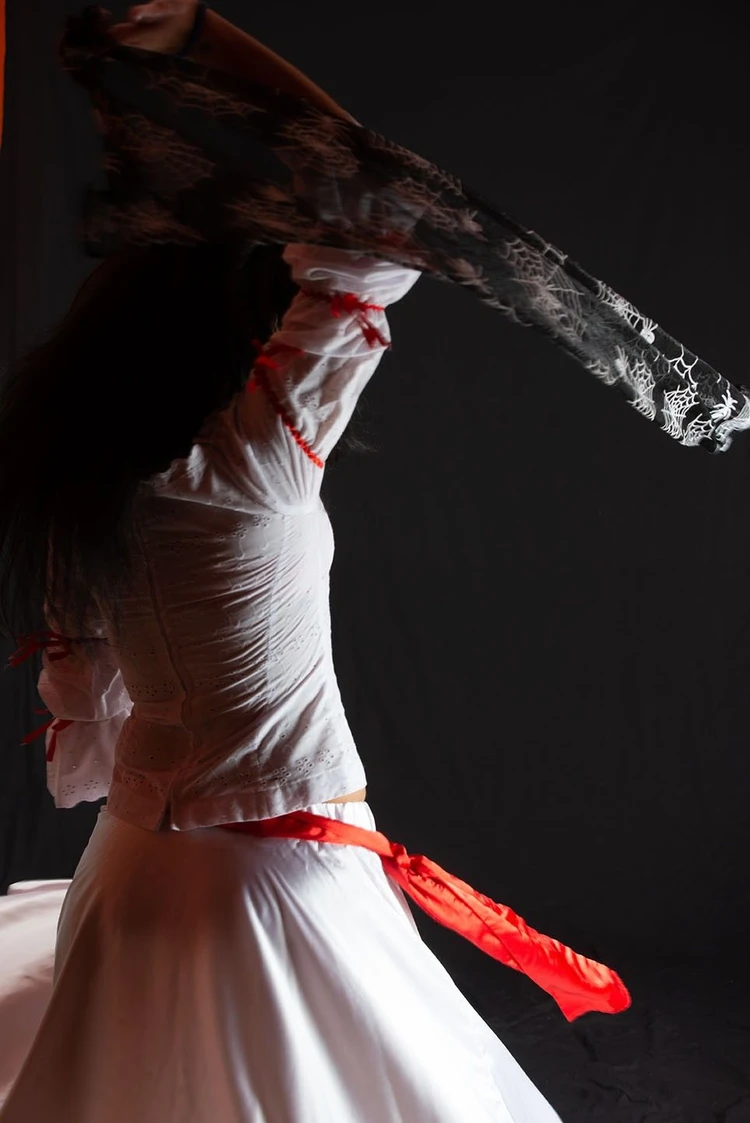
The pizzica is a courtship dance in which two dancers draw close but never touch. The woman leads the dance, using small retreats, flashes, sudden stops and restarts to entice the man to follow. Of central importance is the handkerchief the woman waves as a gesture of elegant provocation, which however cannot be taken by the man without the beloved's consent. The couple's dance is sustained by the "ronda", a circle made up of dancers, musicians and spectators: the circle represents perfection and the external energy that pours into the couple.
La Notte della Taranta e la Notte di San Rocco
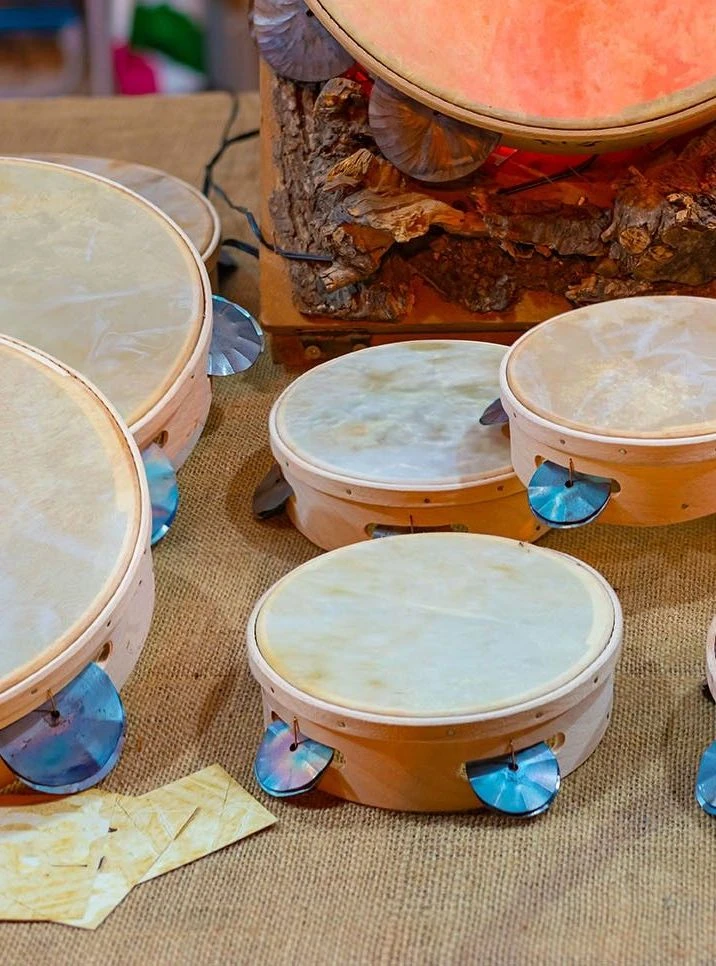
The most celebrated event is La Notte della Taranta, in Melpignano, which takes place at the end of August to close the summer season in style, with various travelling stops along the way. Another event not to miss is the festival of the "Notte di San Rocco", in Torrepaduli, where on the evening of 15 August thousands of people gather to take part in the Salentine pizzica and the dance of the swords. But in truth, in Salento in summer, all it takes is a local village fair, any square, a tambourine that starts to play.
Two nights of relaxation and pleasure, with aperitivo, tasting dinner and a wellness circuit at the Spa
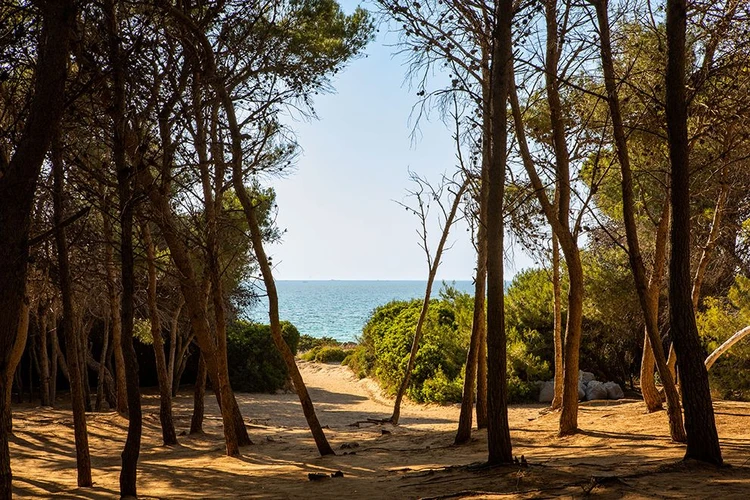
7 discounted nights to experience a summer among the nature and crystal-clear waters of Salento
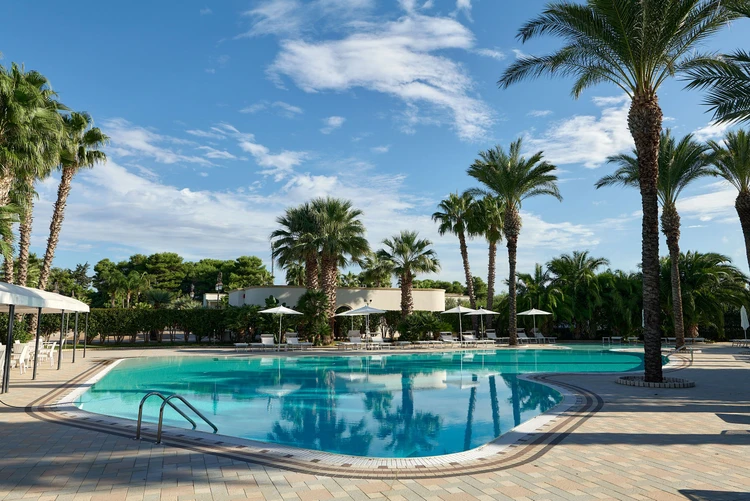
Book at least 20 days in advance for a minimum stay of 3 nights and receive a 15% discount
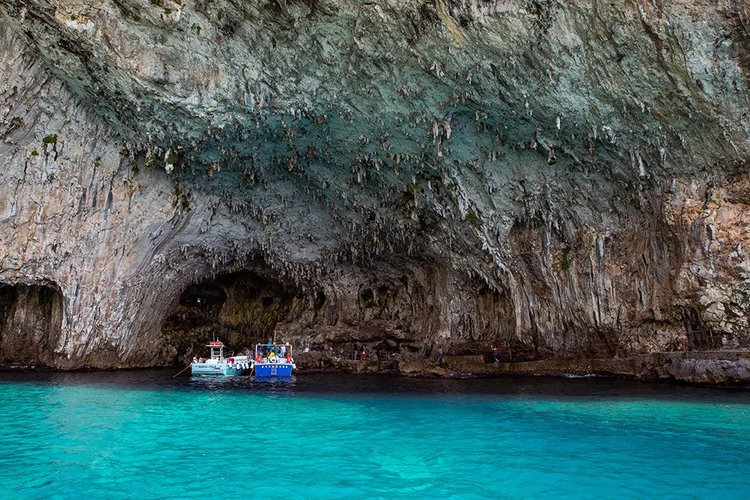
Book at least 60 days in advance for a stay of 6 nights and the seventh is on us.

We are always here for you, for any information you need and to design your travel experience together.