

Pale di San Martino
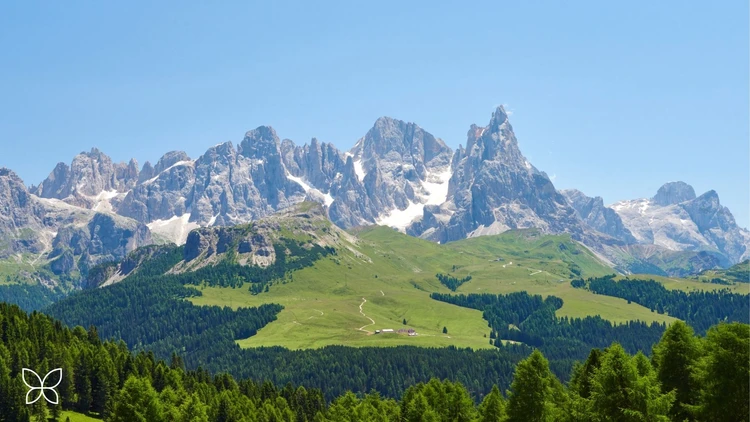
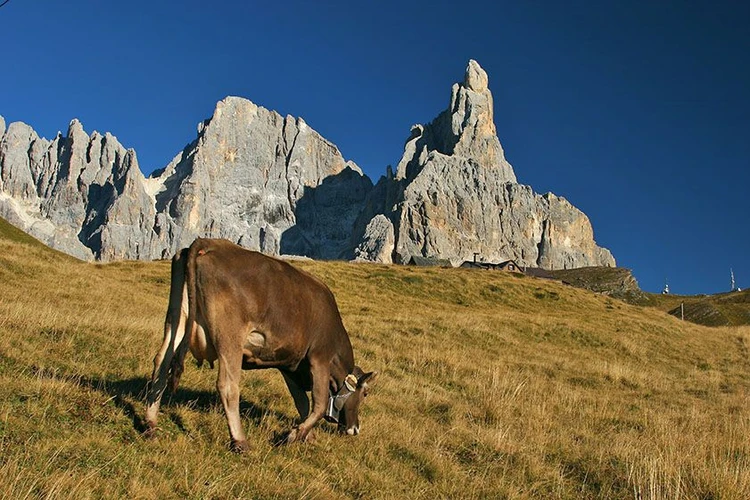
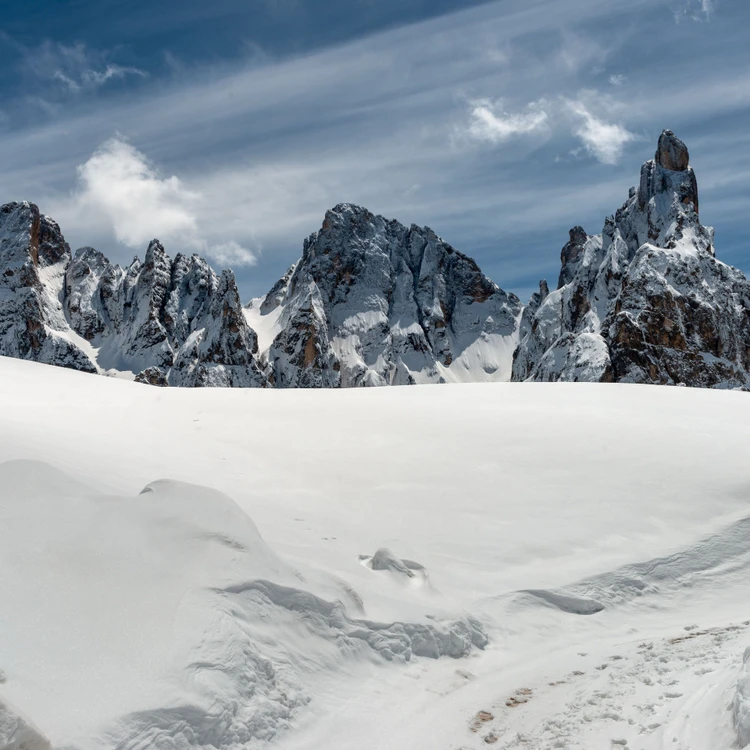
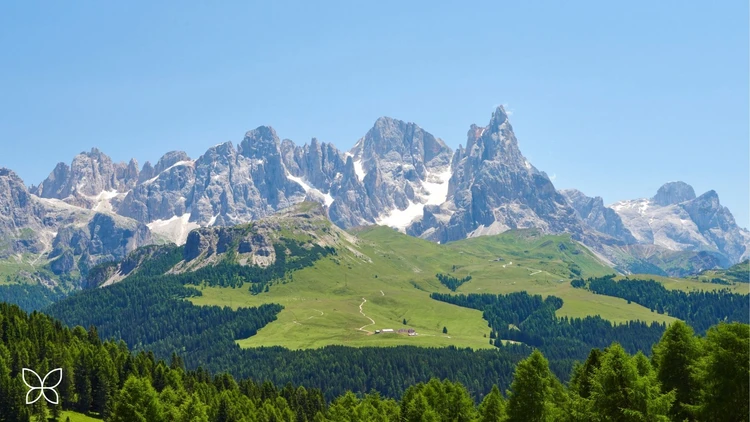
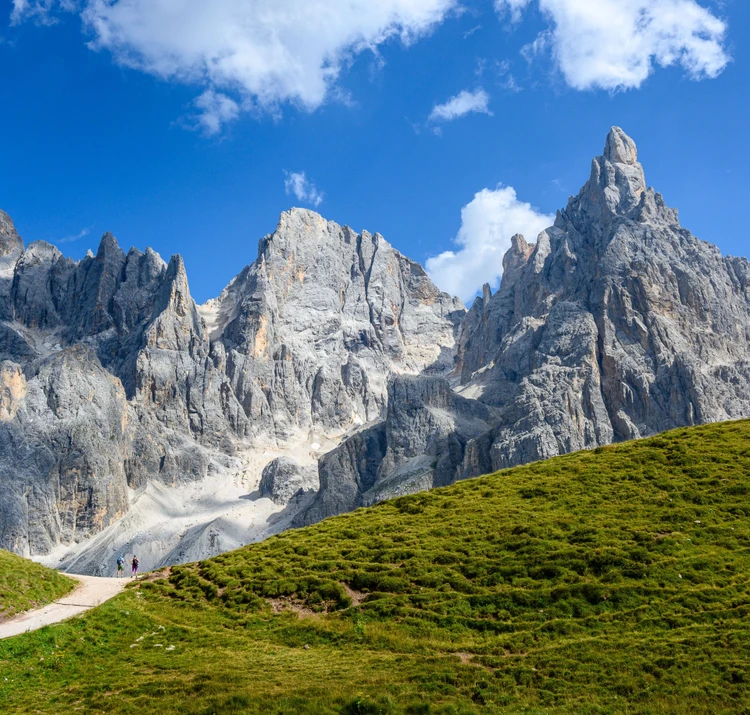
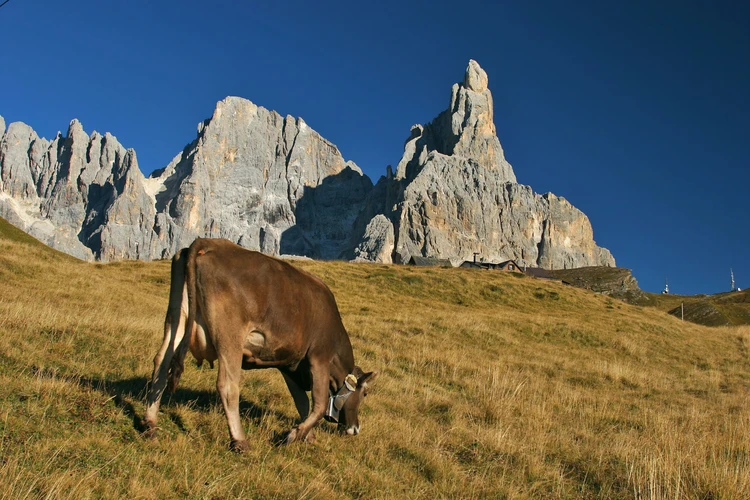
Majestic in their silence. The Pale di San Martino are the most extensive Dolomite group in Trentino, part of the Dolomites recognised as a UNESCO World Heritage Site, dominating the horizon of San Martino di Castrozza with vertical walls, suspended plateaus and iconic peaks such as the Cimon della Pala.
By day the rock is pale, almost lunar. The light is sharp. The profiles seem drawn.
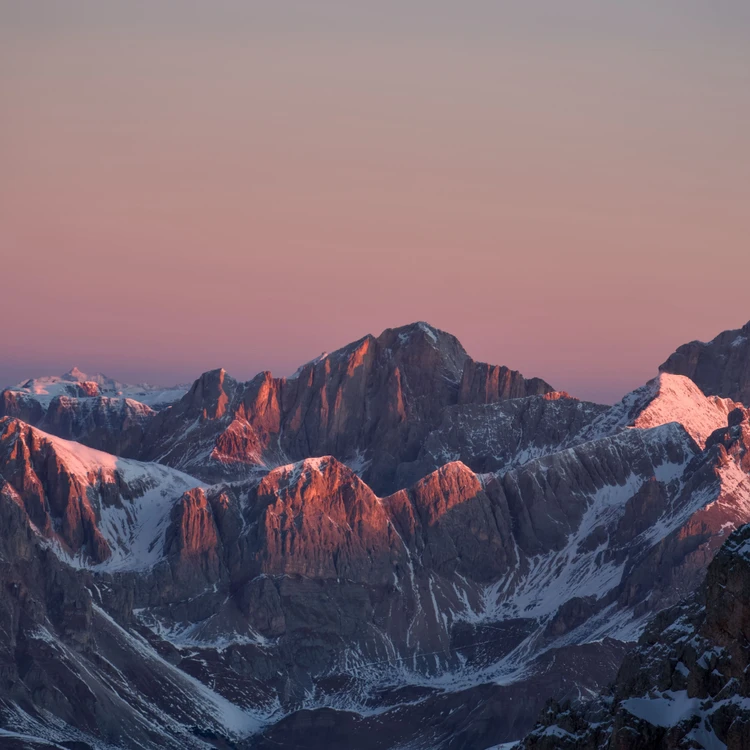
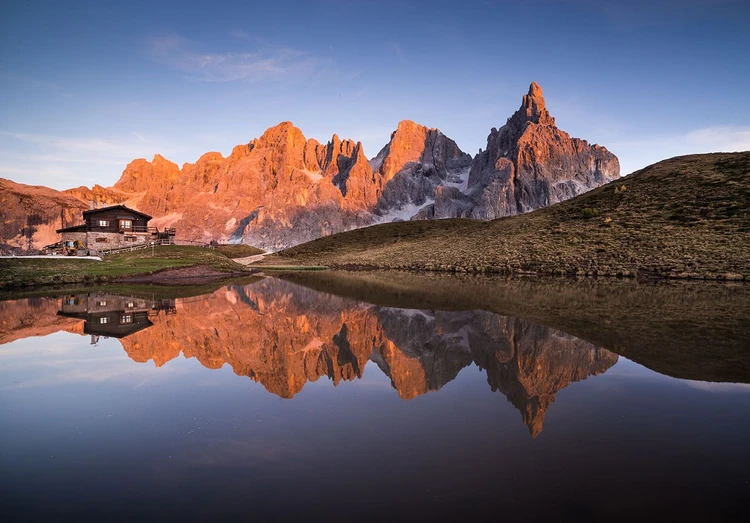
Then comes the enrosadira. At sunset, the Pale light up in pink, orange and gold. It is a phenomenon typical of the Dolomites: the dolomite reflects the raking light of the sun, transforming the mountain into something alive, shifting, almost unreal.
It is not a special effect. It is geology meeting the sky.
From the Altopiano delle Pale to the panoramic paths that climb above San Martino, every vantage point shifts the perspective but not the intensity. Walking here means crossing wide landscapes, sudden verticals, deep silences.
The Pale are not just looked at. You follow them at every hour.
At dawn they are delicate. At sunset, theatrical. At night, dark outlines against a sky full of stars.
And every time they seem different.
The Pale di San Martino are not only the most extensive Dolomite group in Trentino. They are a geological story written in rock.
Today they rise above San Martino di Castrozza with vertical walls, luminous towers and the unmistakable profile of the Cimon della Pala. But millions of years ago, in the Triassic period, there were no peaks here, no glaciers.
There was the sea.
The Dolomites were a tropical archipelago, formed by ancient coral reefs and carbonate platforms that grew in warm, shallow waters. Corals, calcareous algae and marine organisms slowly built enormous structures of calcium carbonate, later transformed into dolomite through complex chemical processes.
The mountain is born from water. And it retains the memory of that seabed.
With the uplift of the Alps, those reefs rose to over 3,000 metres. Erosion sculpted suspended plateaus, like the Altopiano delle Pale, and vertical walls that today make this group unique in the alpine panorama.
At sunset, the dolomite reflects the raking light of the sun and lights up in pink, orange and gold. It is a phenomenon typical of the UNESCO Dolomites: the mineral composition amplifies the chromatic transformation, making the Pale theatrical and alive.
And it is not an optical effect. It is geology.
We are always available to answer your questions and help you design your journey together.