
Mercato delle Erbe
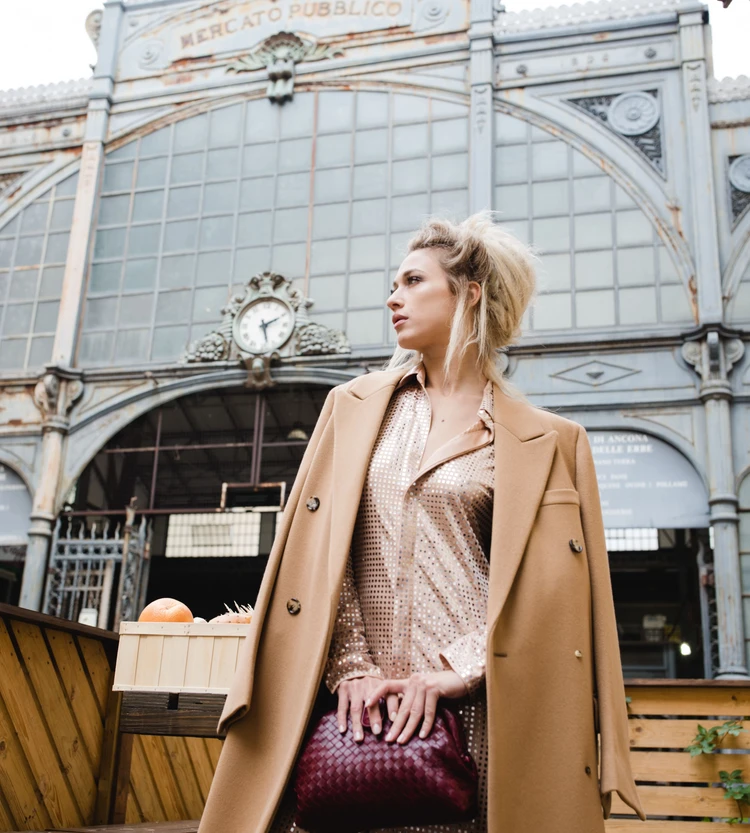
The eye lingers on the Liberty lines, the rhythm of the arches, the time that passes between stalls of fruit, vegetables and local produce. But this building is something more: a place where architecture speaks of memory and transformation.
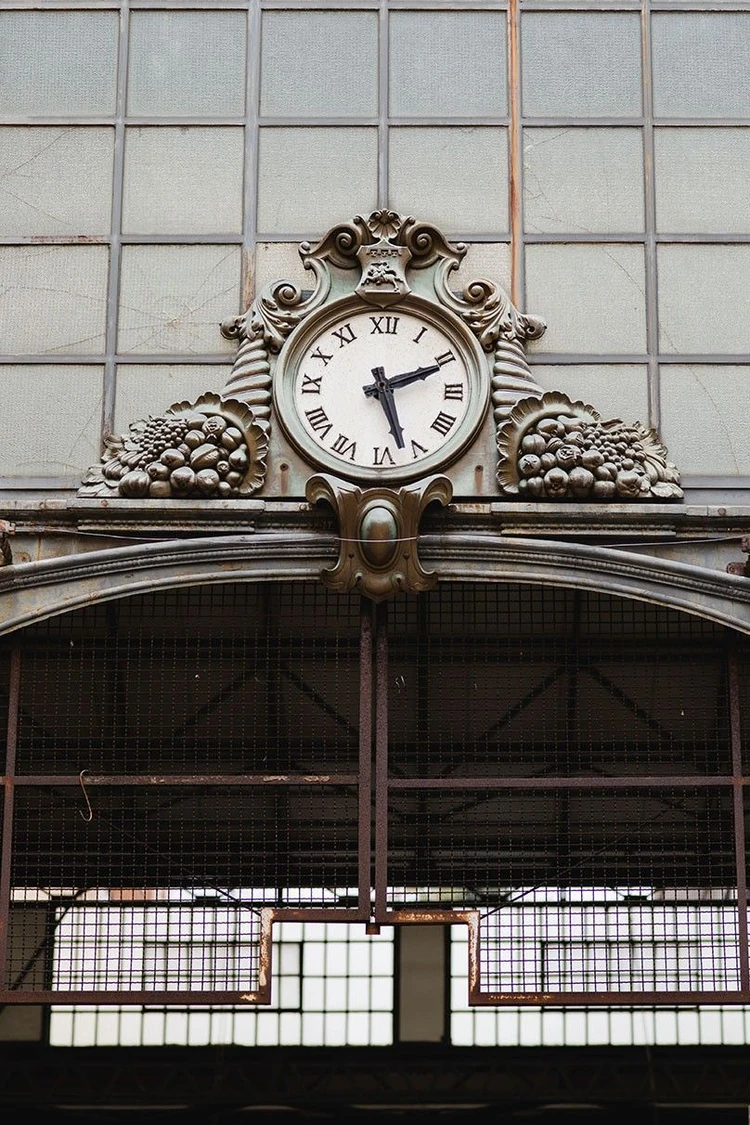
In the 1920s, Ancona already had an open-air herb market. A lively place, full of daily exchange. Then came the idea of sheltering it. An architectural and urban solution that would turn a social space into a protected, light-filled environment, still open to the passage of people.
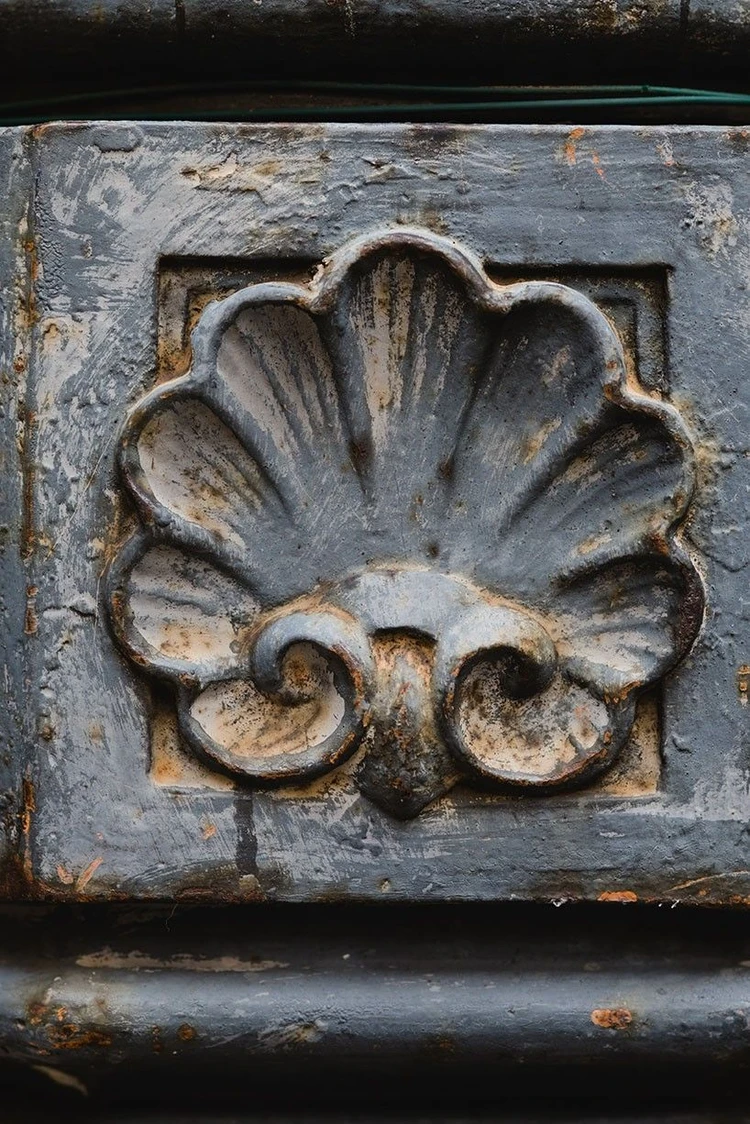
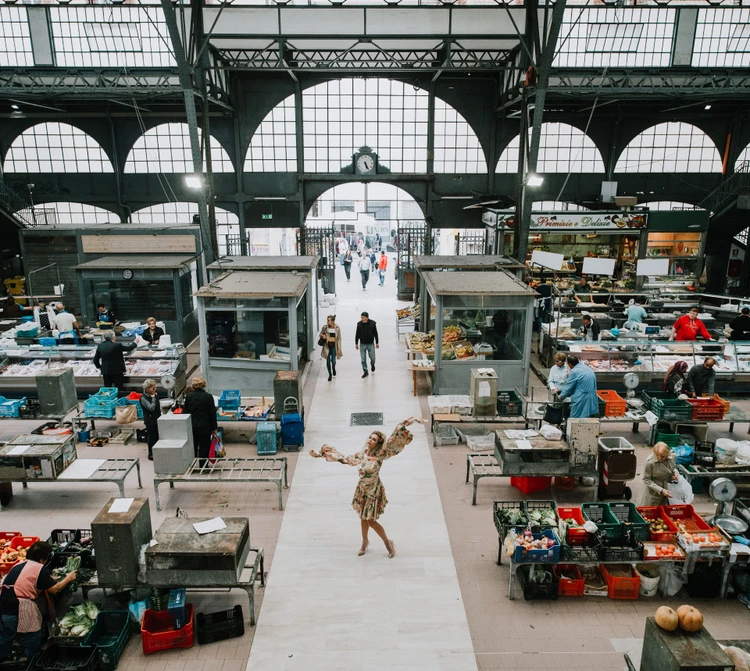
Workers from the nearby Ancona shipyard melted down and repurposed that metal to shape the great arches that still support the building today. The result was a kind of covered piazza: the interior is vast, open, with filtered light that lets the market breathe. The structure, made up of four large latticed arches, rises to a double height, its rhythms of iron and glass reaching upward as if trying to capture the light.
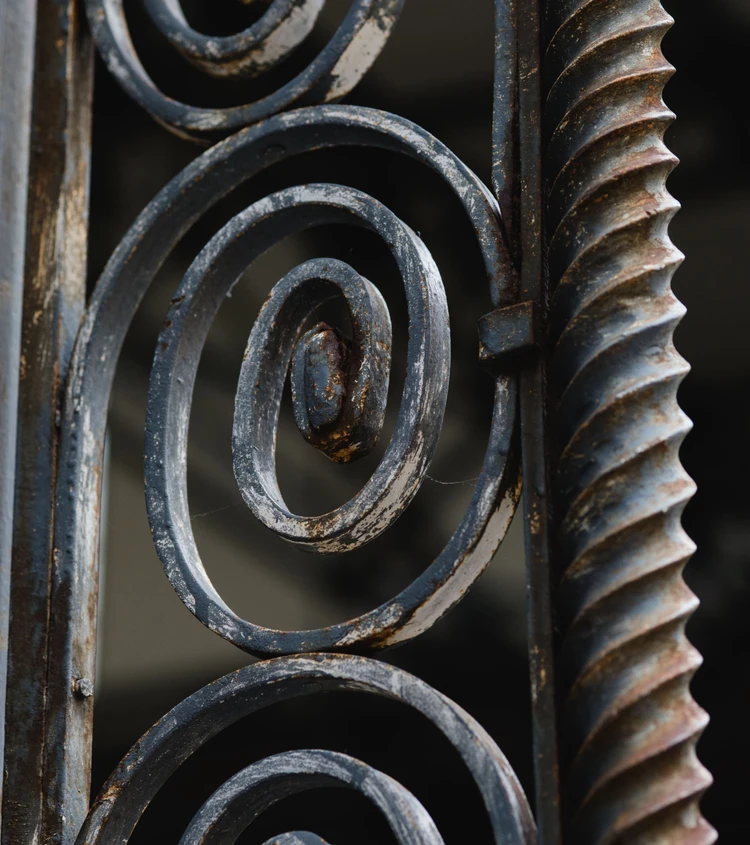

Today the Mercato delle Erbe remains central. The stalls carry the scents of Le Marche. People linger. Some buy, some talk, some move slowly between the fruit stalls and corners of quiet authenticity. It is a place of daily life, real encounters, exchanges of voice and smile. And as the historic centre of Ancona renews itself, the Mercato delle Erbe remains a point of reference, a draw for those who love the unpolished and the genuine. Not just a covered market. A social space, a place of rootedness and historical witness.