
Otranto
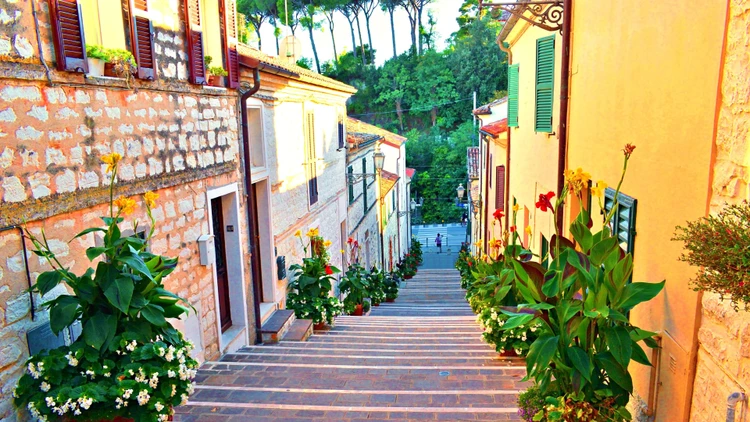
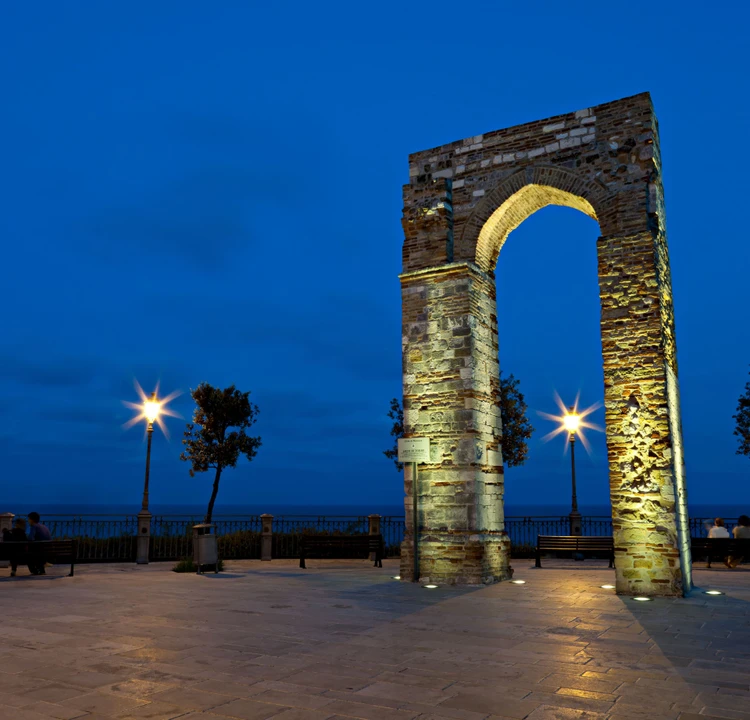
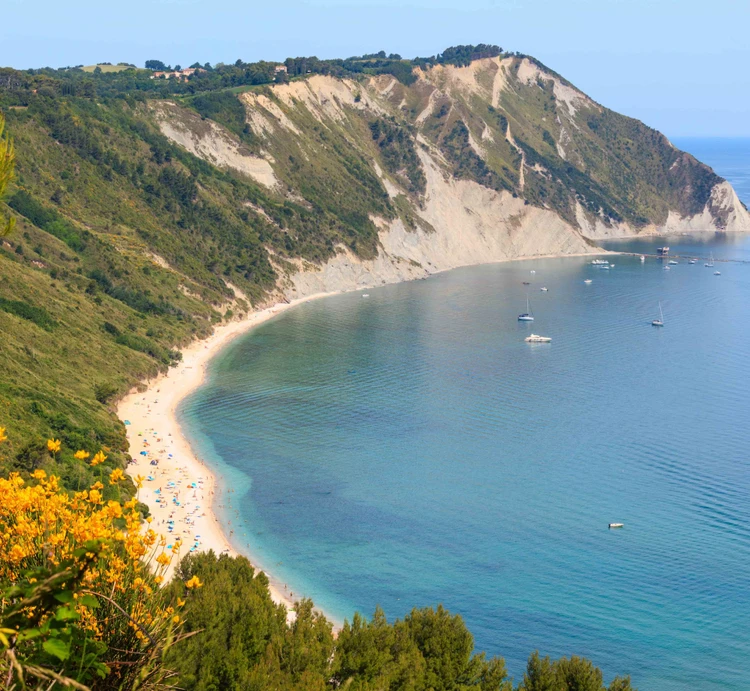
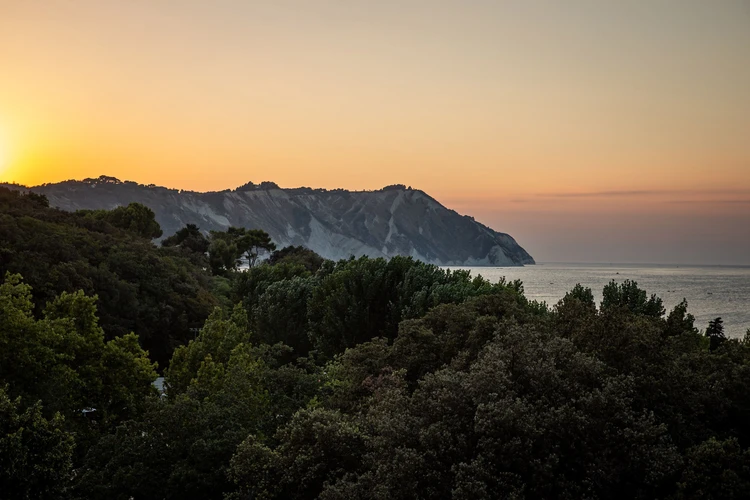
Numana si racconta in due tempi, come se avesse due voci diverse per lo stesso respiro. C'è Numana Alta, il nucleo storico arroccato sul promontorio, un intrico di viuzze e casette colorate che si affacciano su un ampio belvedere: da qui lo sguardo corre lungo tutta la Riviera, e nelle giornate più limpide arriva fino ai Monti Sibillini, all'orizzonte. E c'è Numana Bassa, più vicina all'acqua, con un ritmo di vita completamente diverso, scandito dagli orari del porto più che da quelli del passeggio.
Otranto is the last city in Italy heading east. The point where the peninsula ends and the Mediterranean begins. This makes it different from all the other cities of Salento: more layered, heavier with history, more conscious of the weight of what it has been through. Otranto is one of the jewels of Salento, a gem set into the Adriatic coast of Puglia. This ancient village is a true treasure, with its narrow and winding streets, its historic buildings and the magnificent Cathedral of Santa Maria Annunziata.
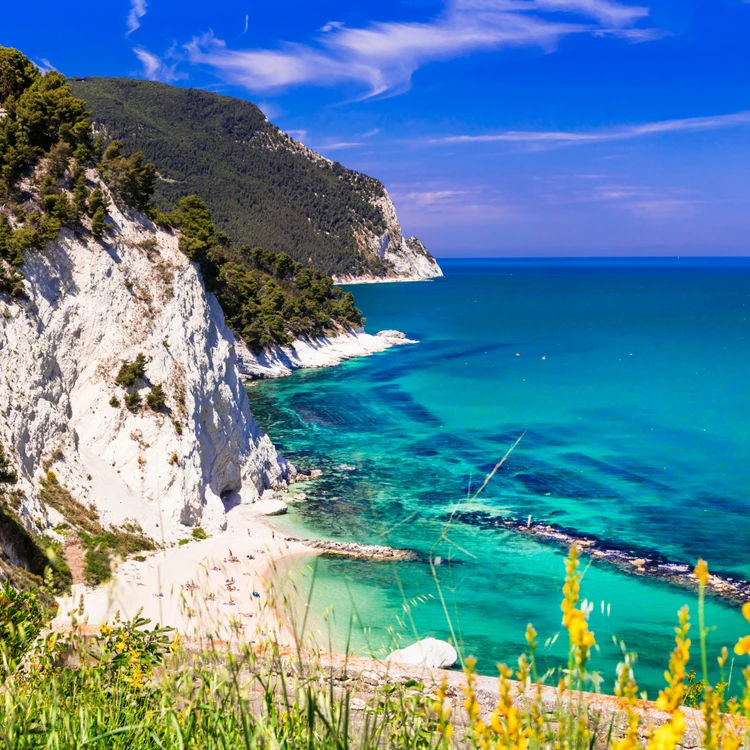
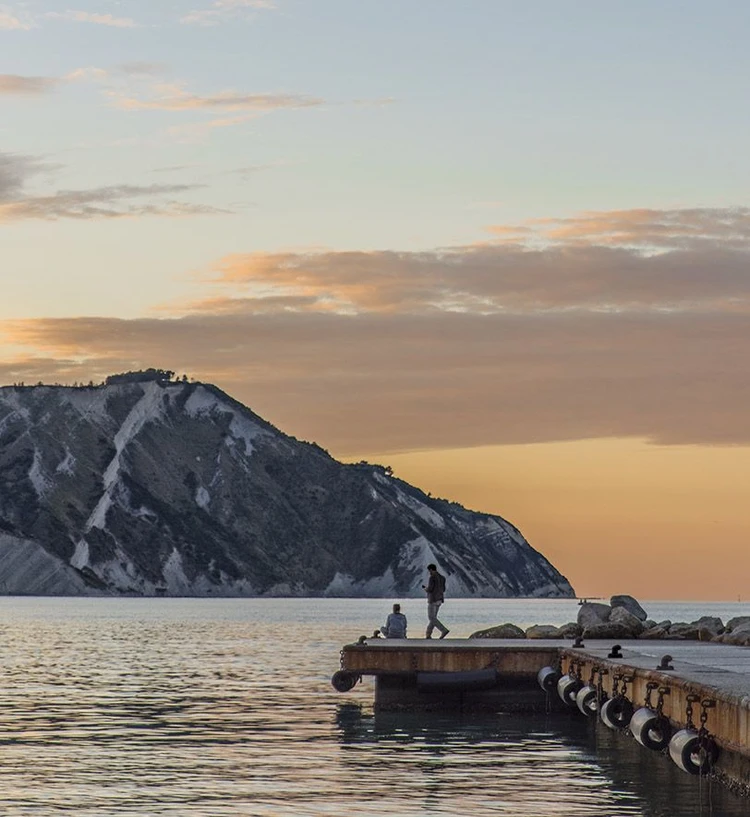
Dal porto di Numana Bassa partono ogni giorno, nella bella stagione, le imbarcazioni dirette alla spiaggia delle Due Sorelle e, più in generale, verso l'intera Riviera. È il punto nevralgico della cittadina, dove pescherecci e battelli turistici condividono lo stesso molo, e dove il profumo del pesce appena scaricato si mescola a quello della salsedine fin dal primo mattino.
The Cathedral of Otranto, a three-nave building with 14 granite columns surmounted by Romanesque capitals, is a monument of Pugliese Romanesque, consecrated in 1088. Inside is a masterpiece of medieval art: a mosaic floor from 1163–1165 depicting a magnificent Tree of Life. The cathedral also houses the relics of the Saints Martyrs of Otranto. The mosaic is one of the most extraordinary things to be seen in the South: a medieval encyclopaedia painted on the floor, with figures of animals, kings, prophets and fantastic creatures. It must be seen with calm, in silence, preferably early in the morning.
Molto prima di diventare il borgo di pescatori che si vede oggi, Numana era un porto piceno tra i più importanti dell'intero Adriatico centrale, abitato già dal IX secolo a.C. e fiorito, tra il VII e il IV secolo a.C., come crocevia di scambi con la Grecia, l'Etruria, il Veneto e le popolazioni transadriatiche. Le sue necropoli, scavate nei secoli, hanno restituito bronzi, ceramiche attiche e persino la sepoltura di una nobildonna divenuta nota come la "regina picena": un tesoro che racconta, meglio di ogni libro di storia, quanto questo tratto di costa fosse già un punto d'incontro tra culture e civiltà del mondo antico.
Passata sotto il controllo dei Siracusani, prima, e dei Romani poi, Numana divenne Municipium romano nel 91 a.C., parte della Regio V Picenum. Poi, nel 558 d.C., un violento terremoto fece sprofondare in mare buona parte della città, segnando l'inizio di un lento declino che l'avrebbe trasformata, nei secoli successivi, da fiorente emporio commerciale in umile villaggio di pescatori. È di questa doppia identità, tra splendore antico e semplicità marinara, che Numana porta ancora oggi i segni, quasi senza saperlo.
The Aragonese Castle of Otranto was built in the fifteenth century to protect the city from Turkish attacks and has recently been restored. In Piazza Castello, the pentagonal Aragonese castle with three circular towers and three angular towers. Above the entrance is the imperial coat of arms of Charles V. From its bastions you can admire the port and the entire Otranto Channel. It is also the site of the exhibition on the Grotta dei Cervi at Porto Badisco.
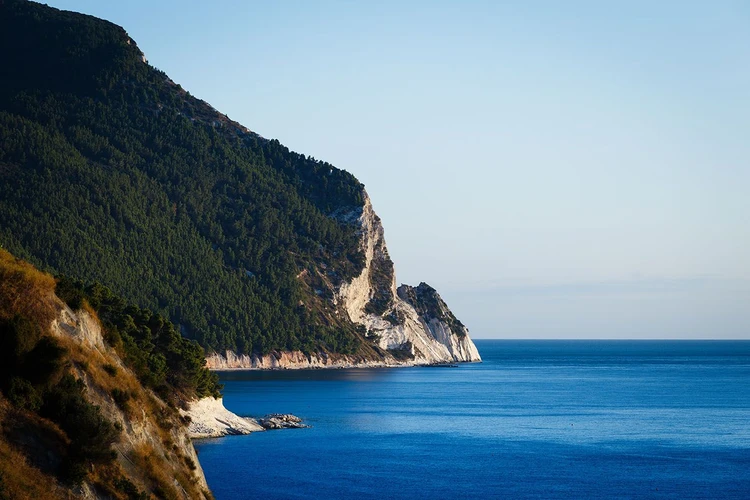
Book at least 60 days in advance for a stay of 6 nights and the seventh is on us.
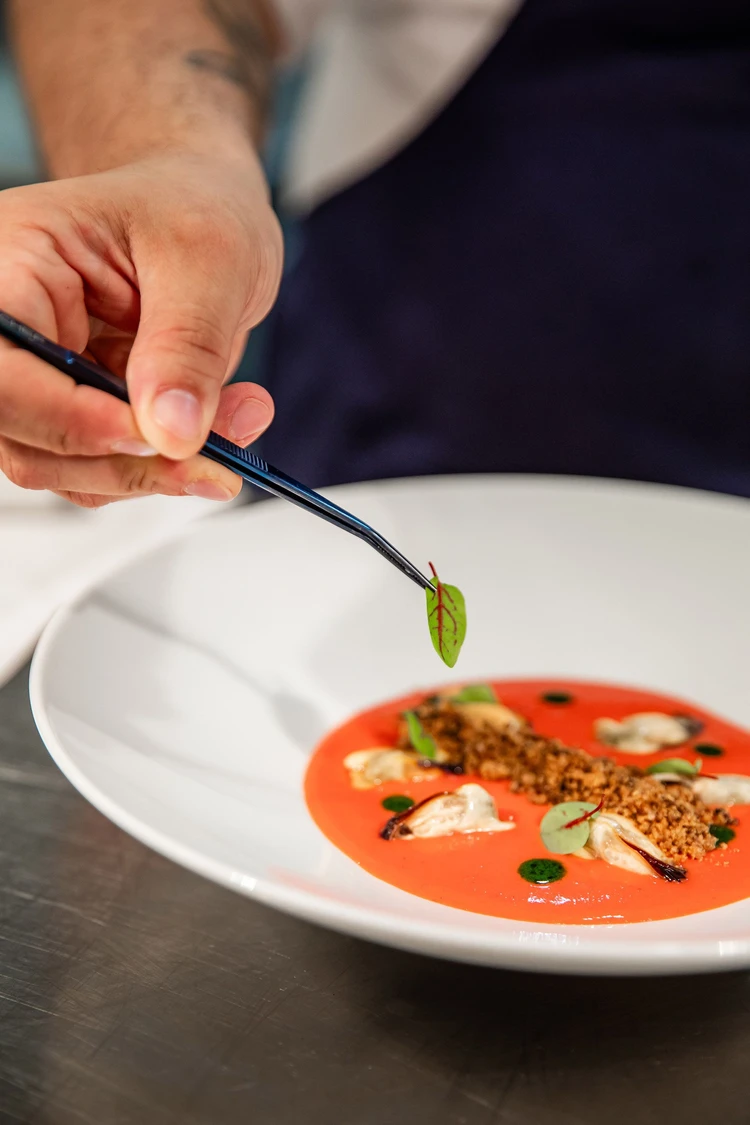
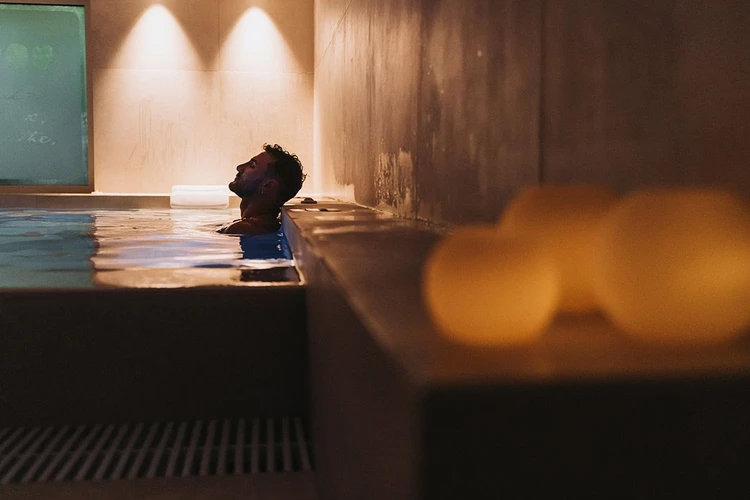
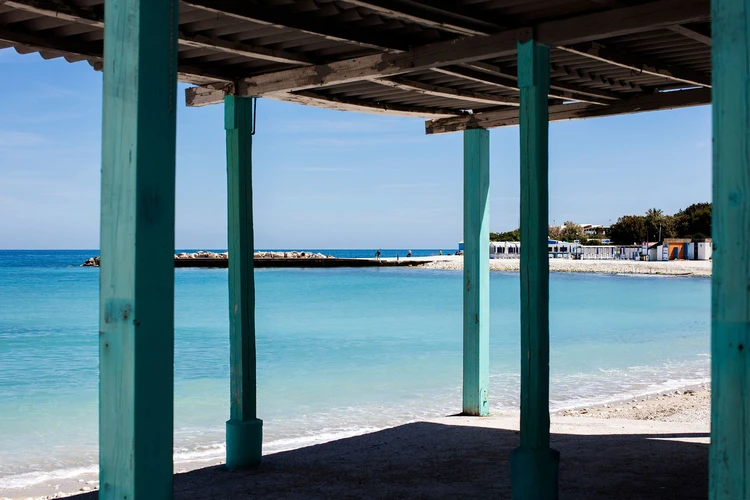
7 discounted nights to experience a summer among the nature and crystal-clear waters of Salento
We are always here for you, for any information you need and to design your travel experience together.